
This section gathers essays that explore the ideas informing Botanica Brasilis. The texts focus on cultivated plants and the histories they carry, considering how cultivation has shaped plants, landscapes, and human societies across generations.
The essays do not respond to individual works. They develop the wider research that informs the practice, extending questions of cultivation, memory, material culture, and ecological change through writing. Together, they form an ongoing body of research that runs alongside the paintings.
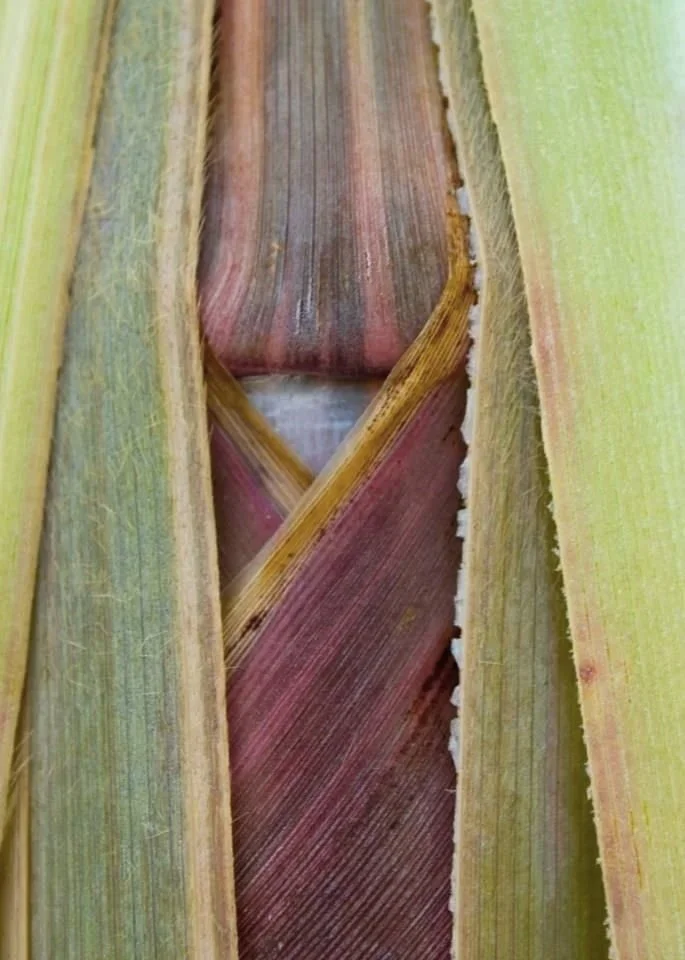
The memory carried by cultivated forms
Cultivated plants do not persist by remaining unchanged. Their appearance shifts across soil, climate, labour, distance, and memory. Yet repeated contact allows certain structures to continue through time. Forms return through cycles of planting, handling, harvest, and recollection, carrying traces of the conditions that shaped them.
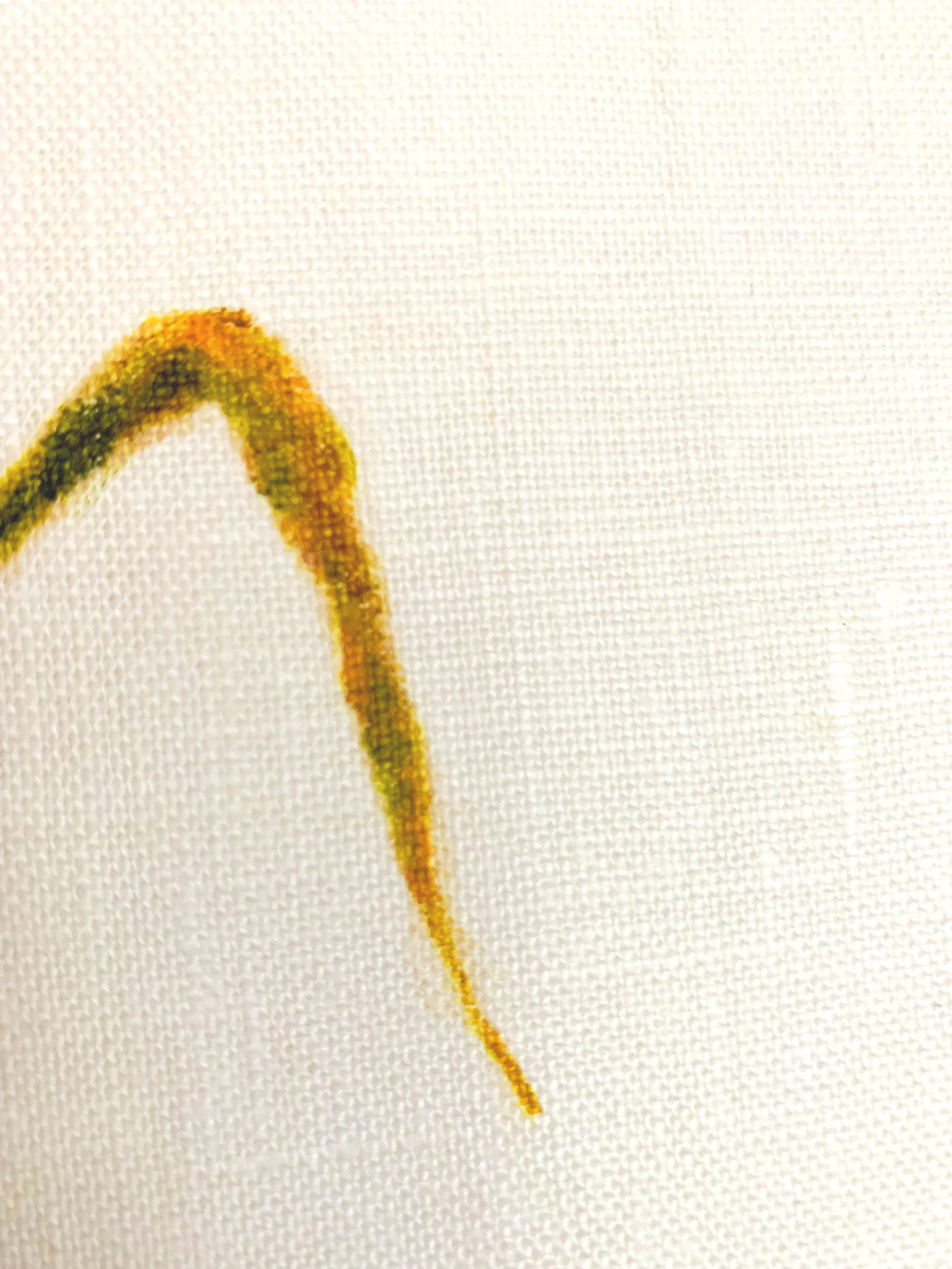
Painting as cultivated attention
Painting unfolds like cultivation. Through repeated gestures and sustained attention, plants emerge gradually on linen, their forms settling into the textile over time. The work enacts a dialogue between labour, material, and ecological memory, revealing presence through duration rather than immediacy.
The margins of attention
This essay considers how contemporary attention is shaped by urgency, incentive and reward, and what becomes perceptible when those pressures recede. It asks how quieter presences slip to the margins of perception, and what changes when looking is no longer driven by demand.

The problem of the definitive plant image
Plant representation has often relied on the belief that a single image can stand in for a living organism. When depiction shifts from finality toward repetition and material variation, the plant no longer appears as a specimen to be captured. It remains open to time, encounter and continued looking.
Attention and the making of meaning
Contemporary images are often expected to clarify themselves at once. Meaning is treated as information to be retrieved. Yet meaning does not sit behind the work as hidden content. It forms through time and attention. When perception slows, significance emerges gradually through the act of remaining.
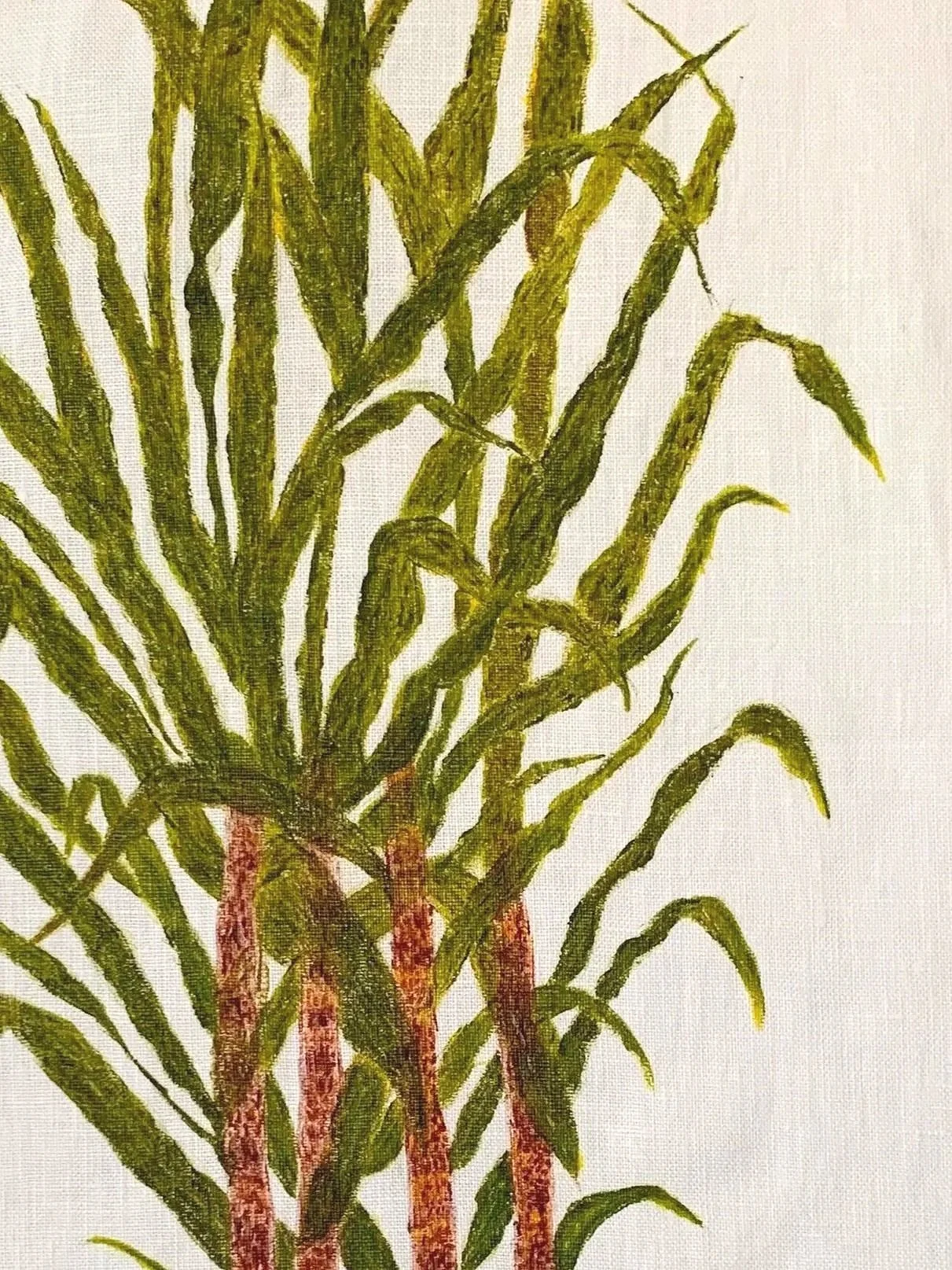
One plant holding another
Linen is not a neutral surface but a plant-derived cloth that holds the trace of another plant, bringing vegetal matter into direct continuity with vegetal life. Pigment settles into fibre, and the image emerges from within the material rather than resting on it.