
The essays published by Botanica Brasilis develop the research that informs the painting practice. Together, they investigate cultivation as a temporal condition that shapes cultivated plants, artistic making and the experience of looking.
The texts extend the same field of inquiry through writing without interpreting individual works. They consider how cultivation operates across biological life, material processes and perception, asking how forms emerge through repetition, waiting, care and gradual transformation.
Writing and painting function as parallel forms of research. The paintings investigate these questions through image and material; the essays pursue them through reflection and language. Neither illustrates the other. Together, they contribute to an ongoing investigation into cultivation as the organising principle of the practice.
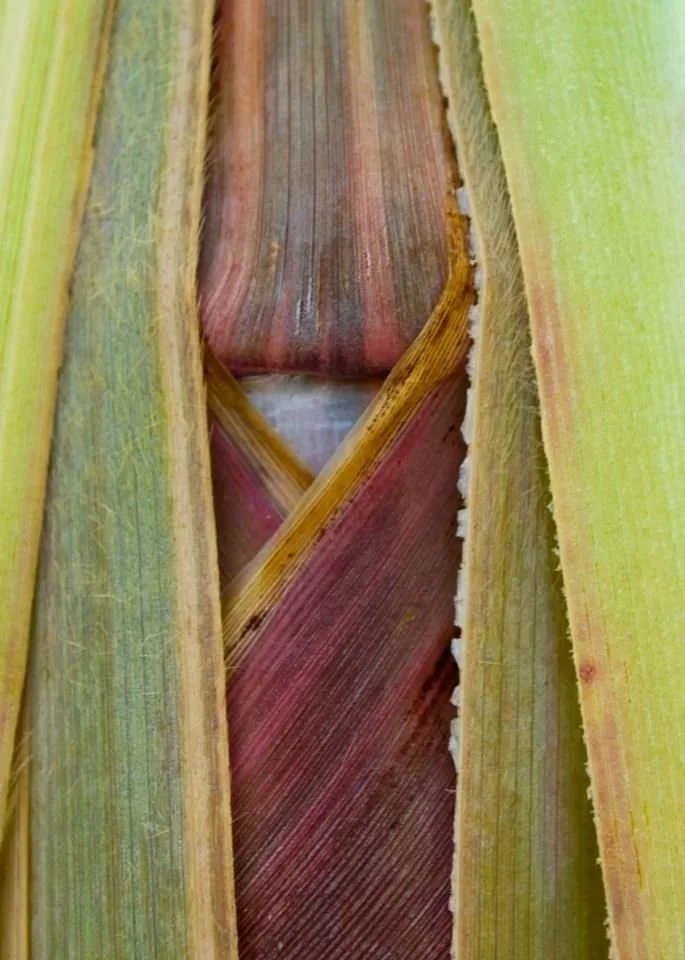
Cultivation and the Persistence of Form
Cultivated plants persist by continuing to change. Their forms emerge through generations of repetition, care and gradual transformation rather than remaining fixed. Seen from this perspective, cultivation becomes more than an agricultural practice. It offers a way of understanding how living forms—and perhaps paintings themselves—endure through continual becoming.
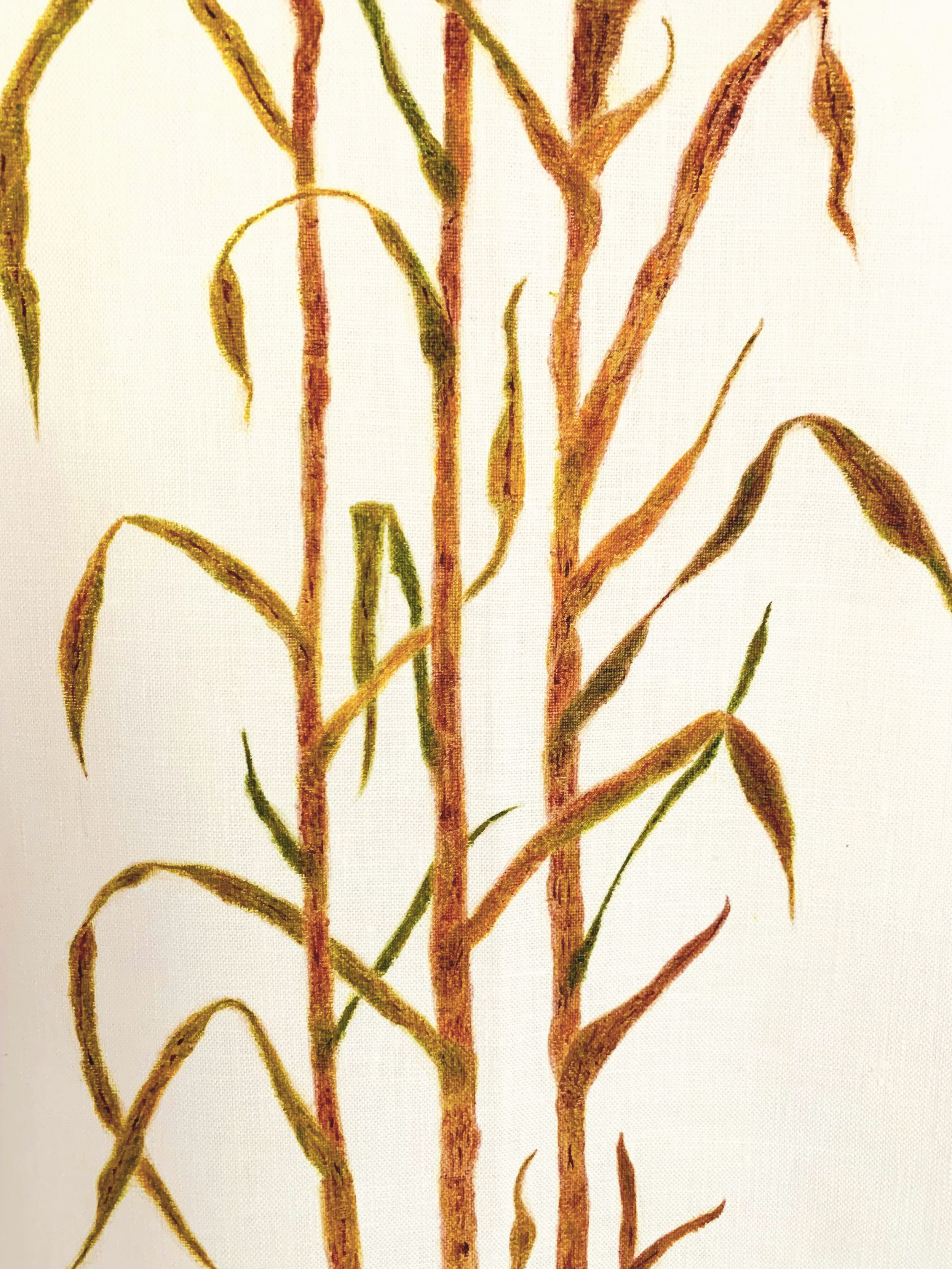
Painting as Cultivation
Cultivation is more than an agricultural practice. It is a temporal condition through which forms emerge by repetition, waiting and gradual transformation. When painting adopts those same rhythms, attention develops alongside the work, allowing perception to unfold at the pace of cultivation.