

Cultivation Studies
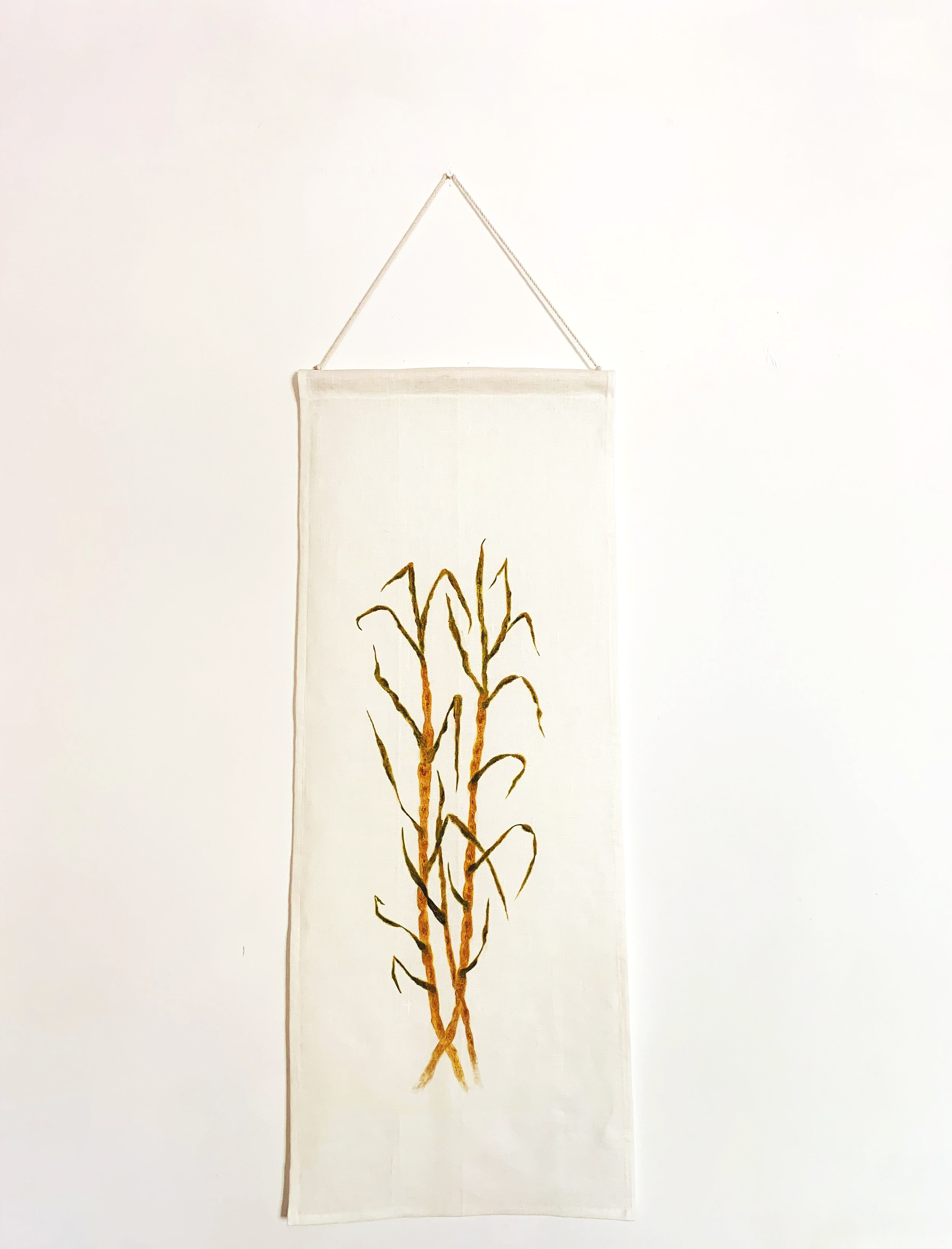
Cultivation Studies begins with sugarcane, a plant whose history is deeply embedded within Brazil and extends across the Atlantic world. Over centuries, sugarcane has shaped landscapes, labour systems, trade networks, and patterns of settlement while being continually reshaped through cultivation. The plant that exists today is inseparable from these histories.
The series approaches sugarcane as a plant shaped through long histories of cultivation that continue to shape its present form. Remembered from rural Brazil, the plant provides the starting point for an investigation into the ways cultivation leaves its marks within both plants and human societies.
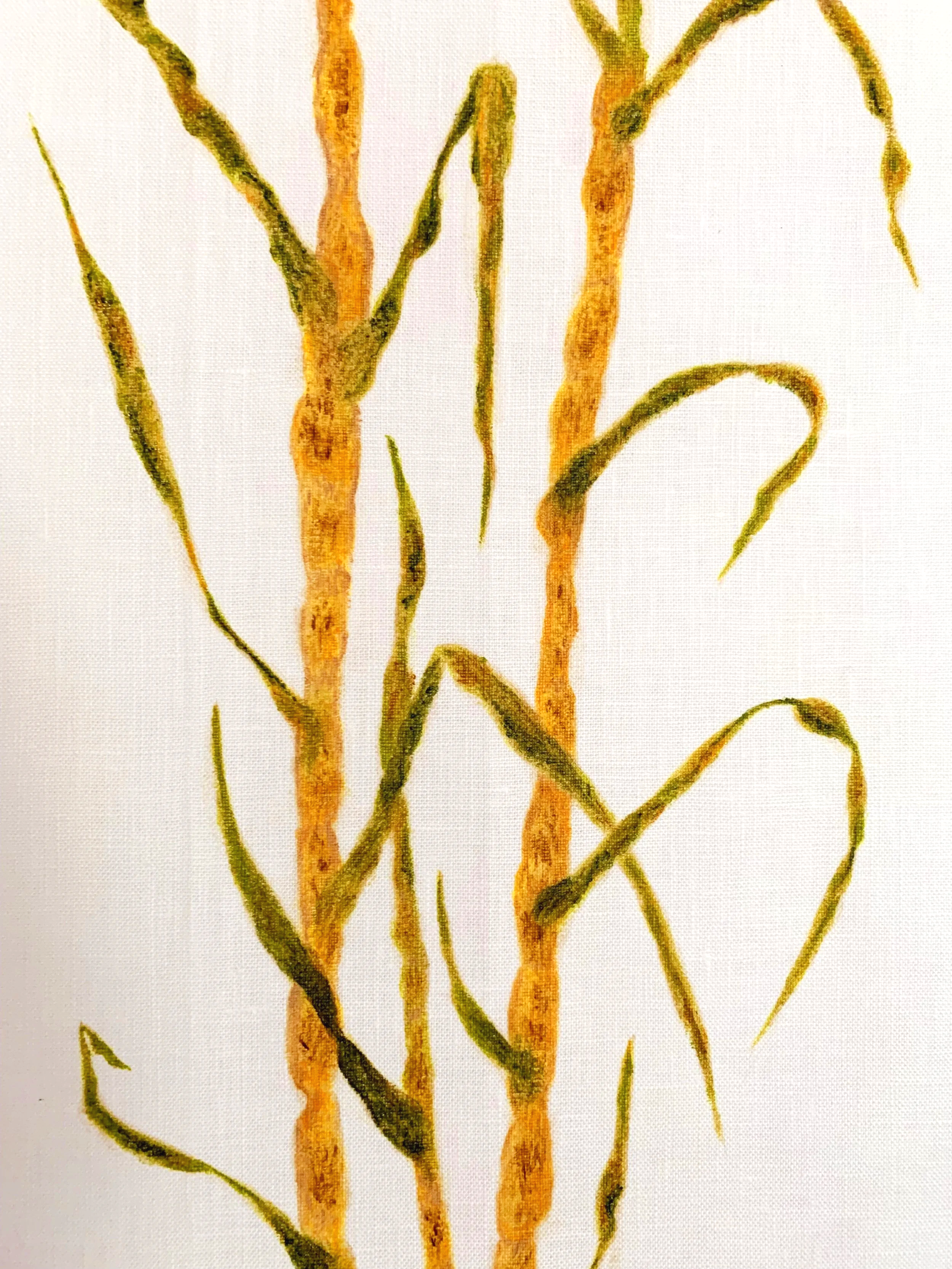
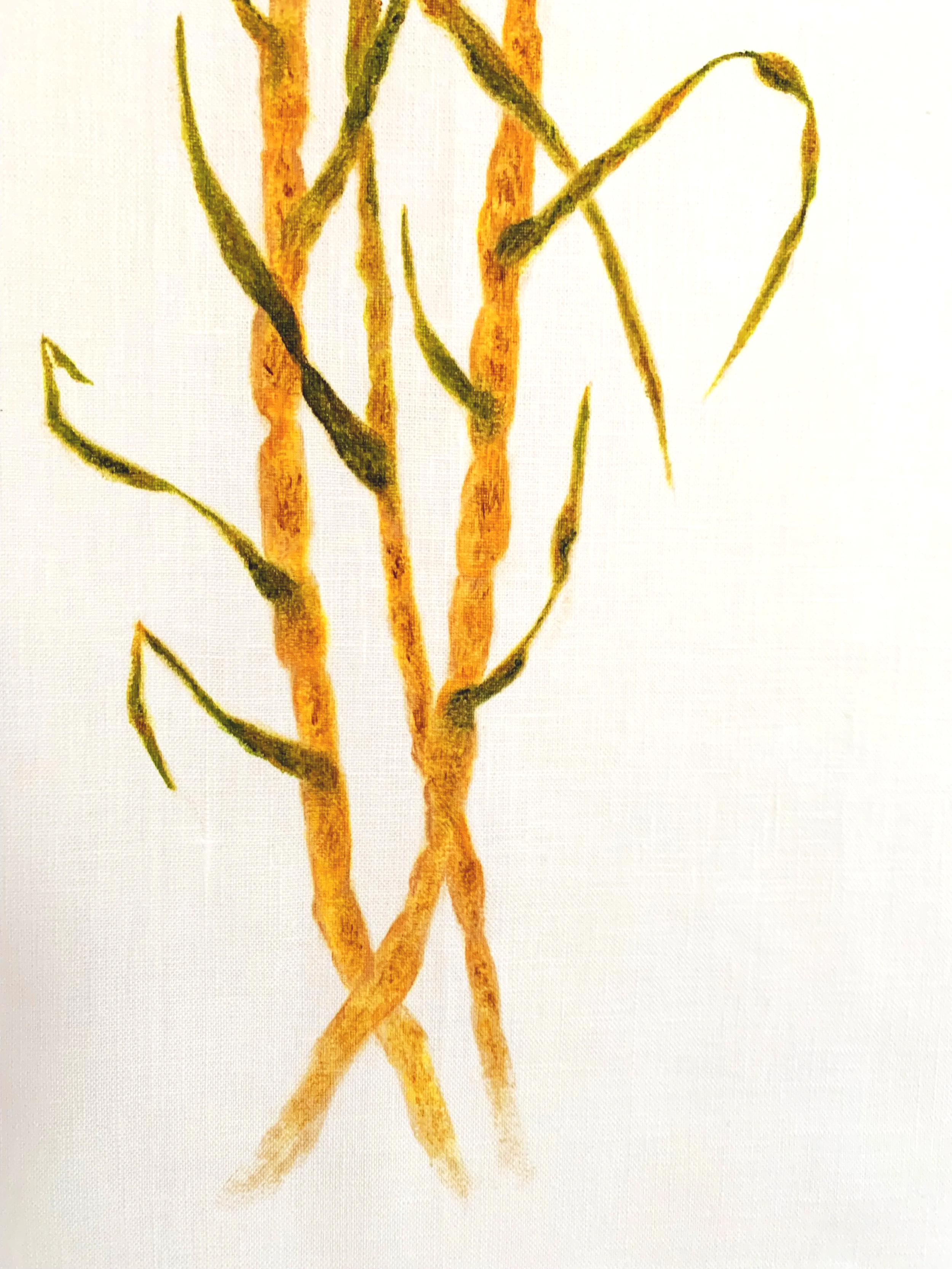
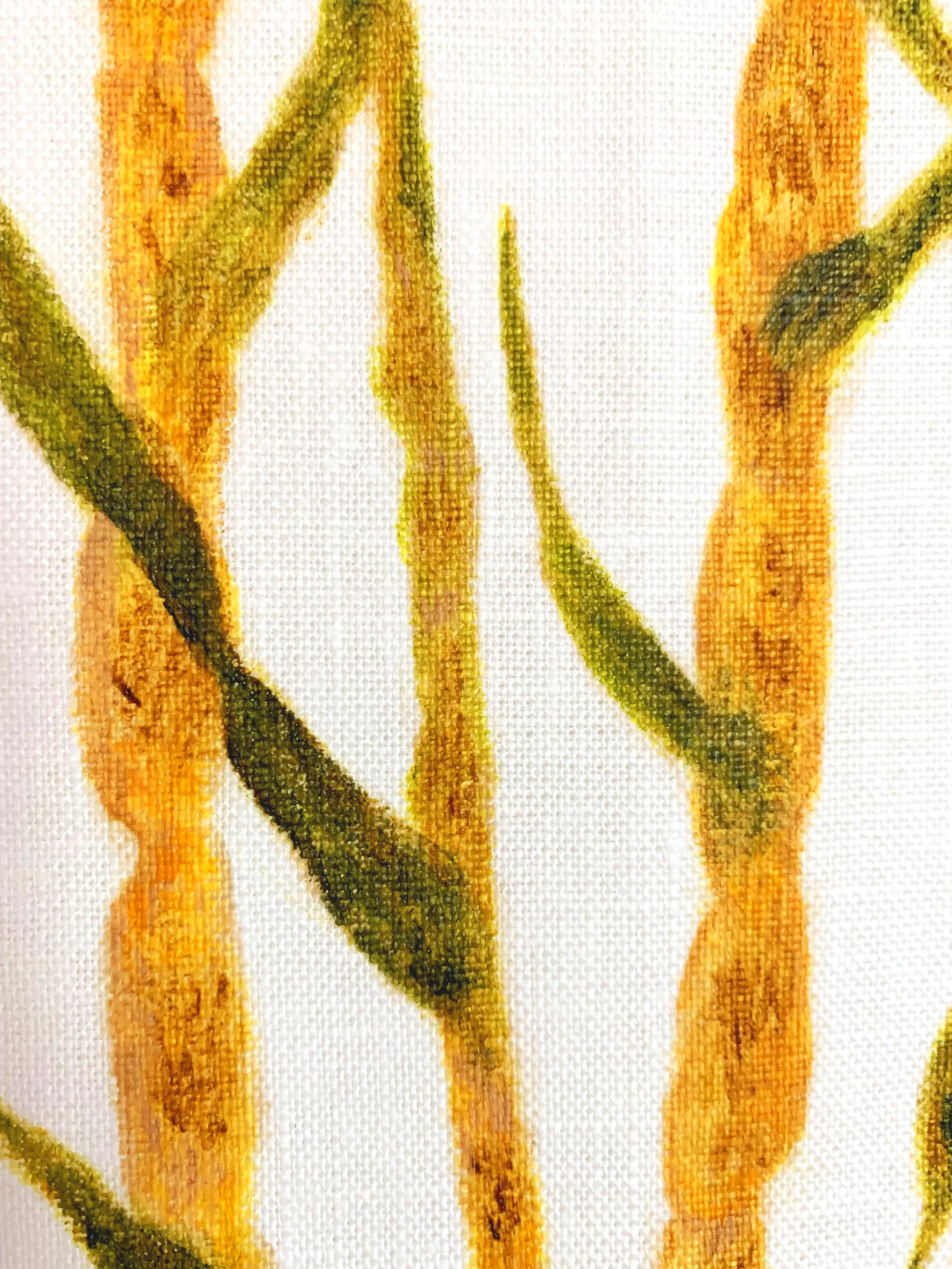
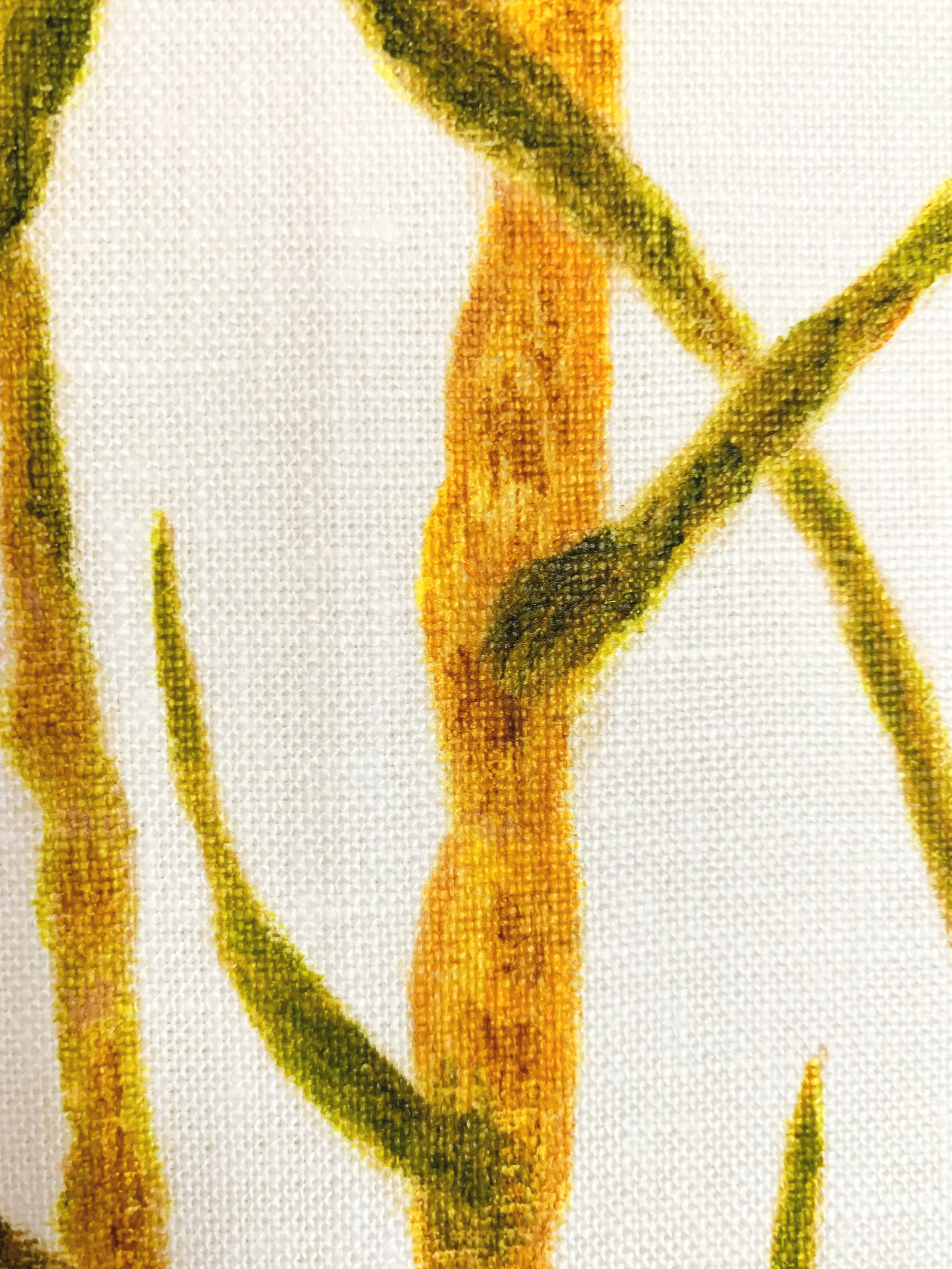
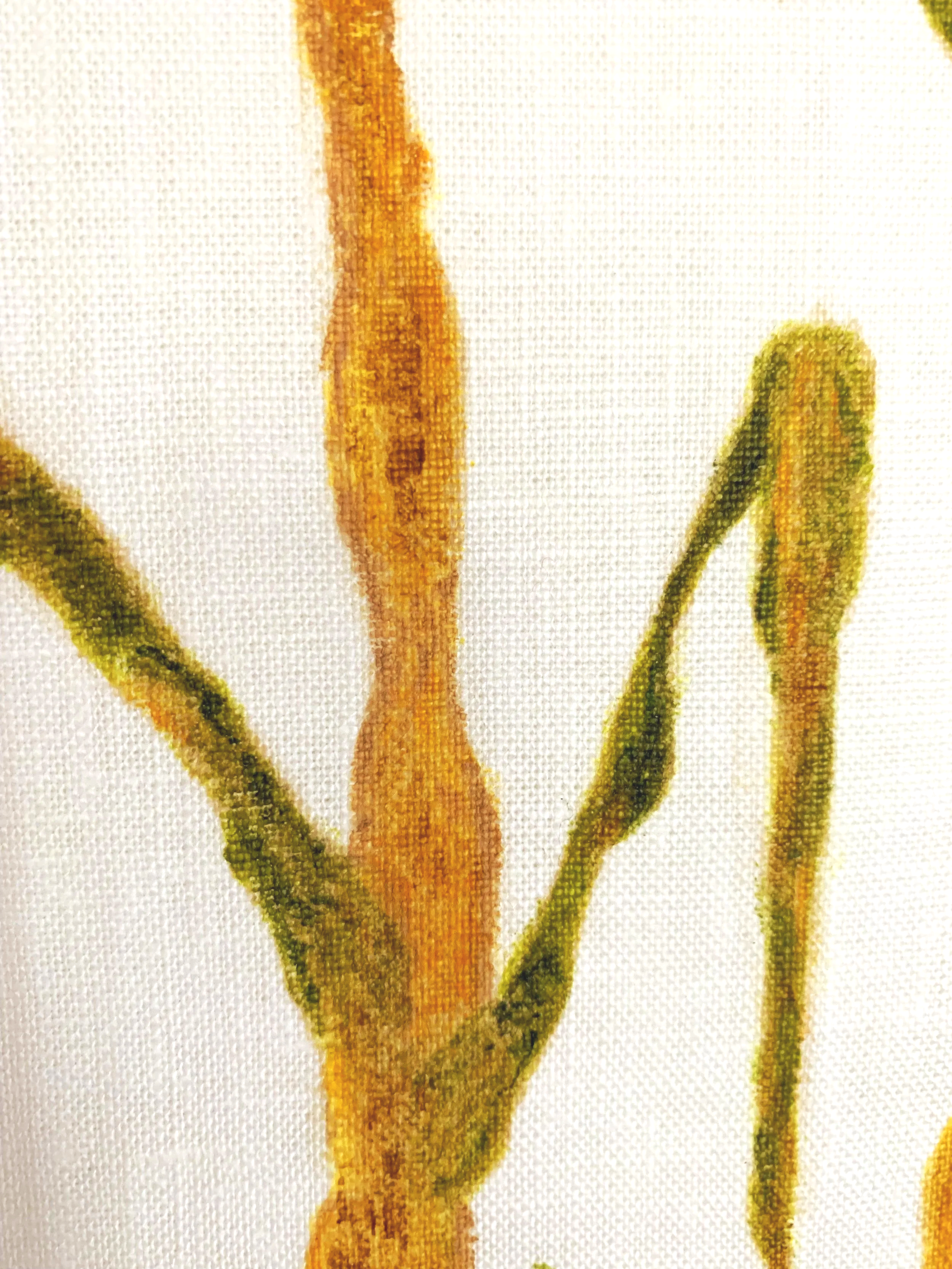
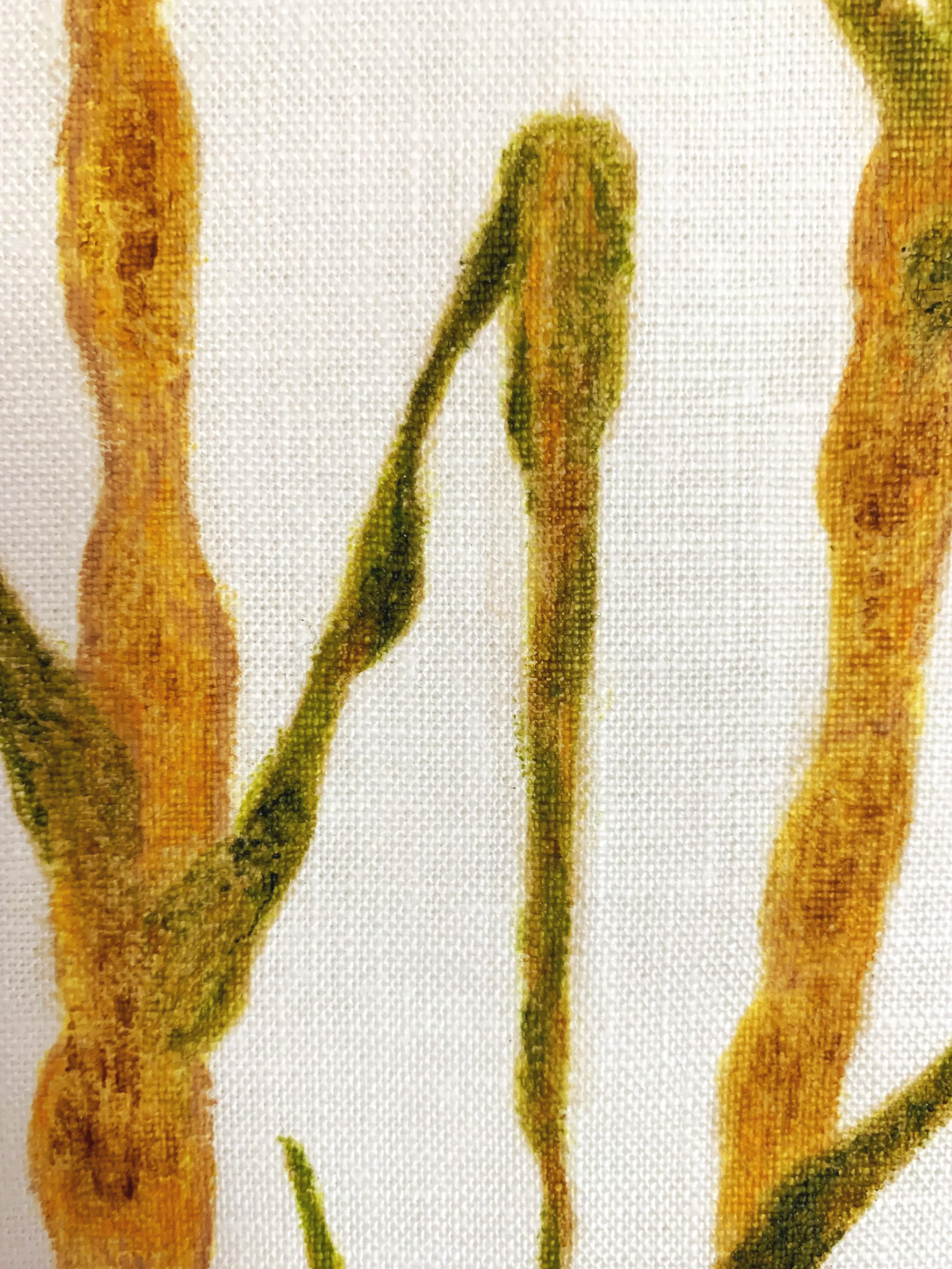
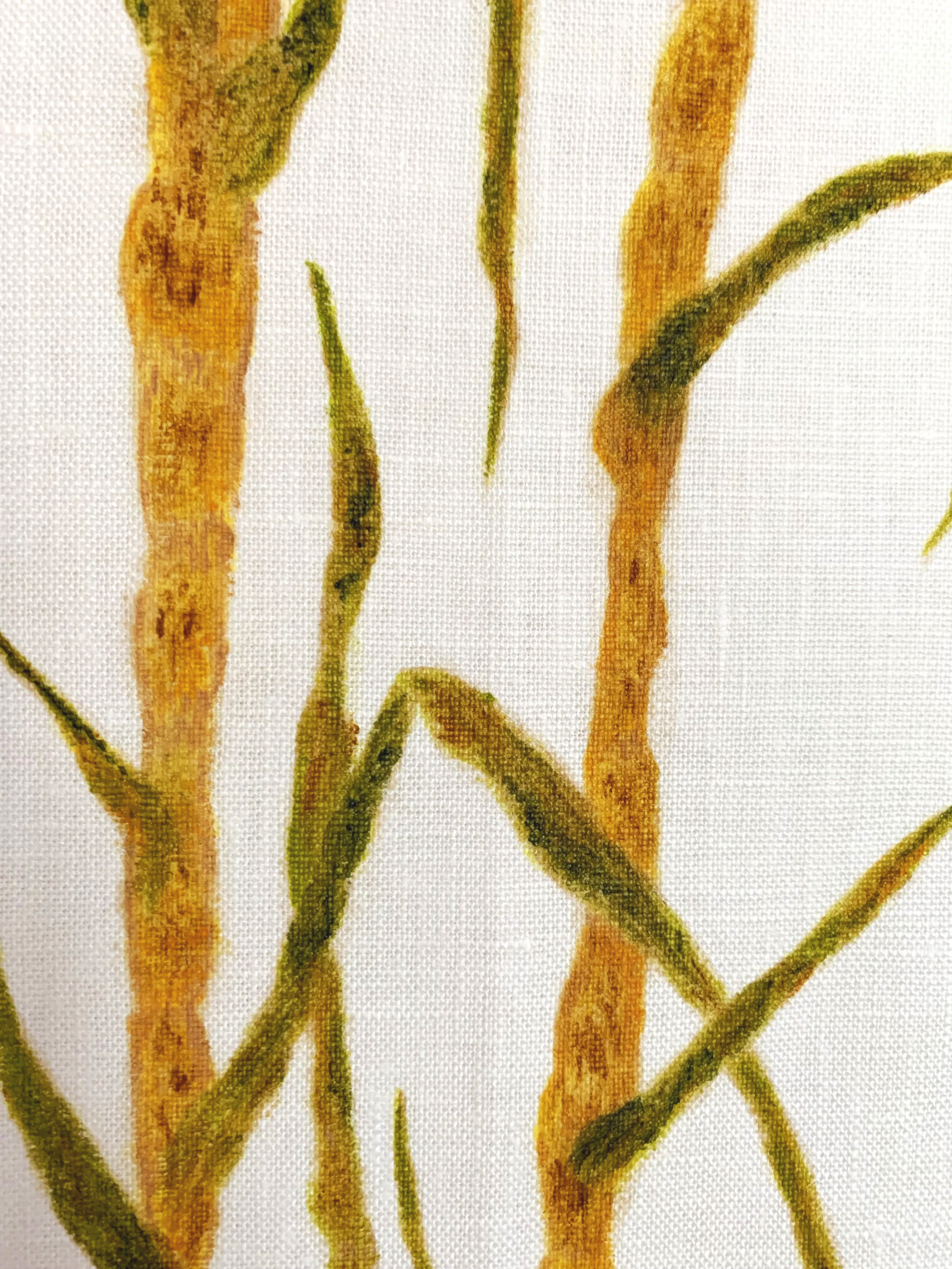
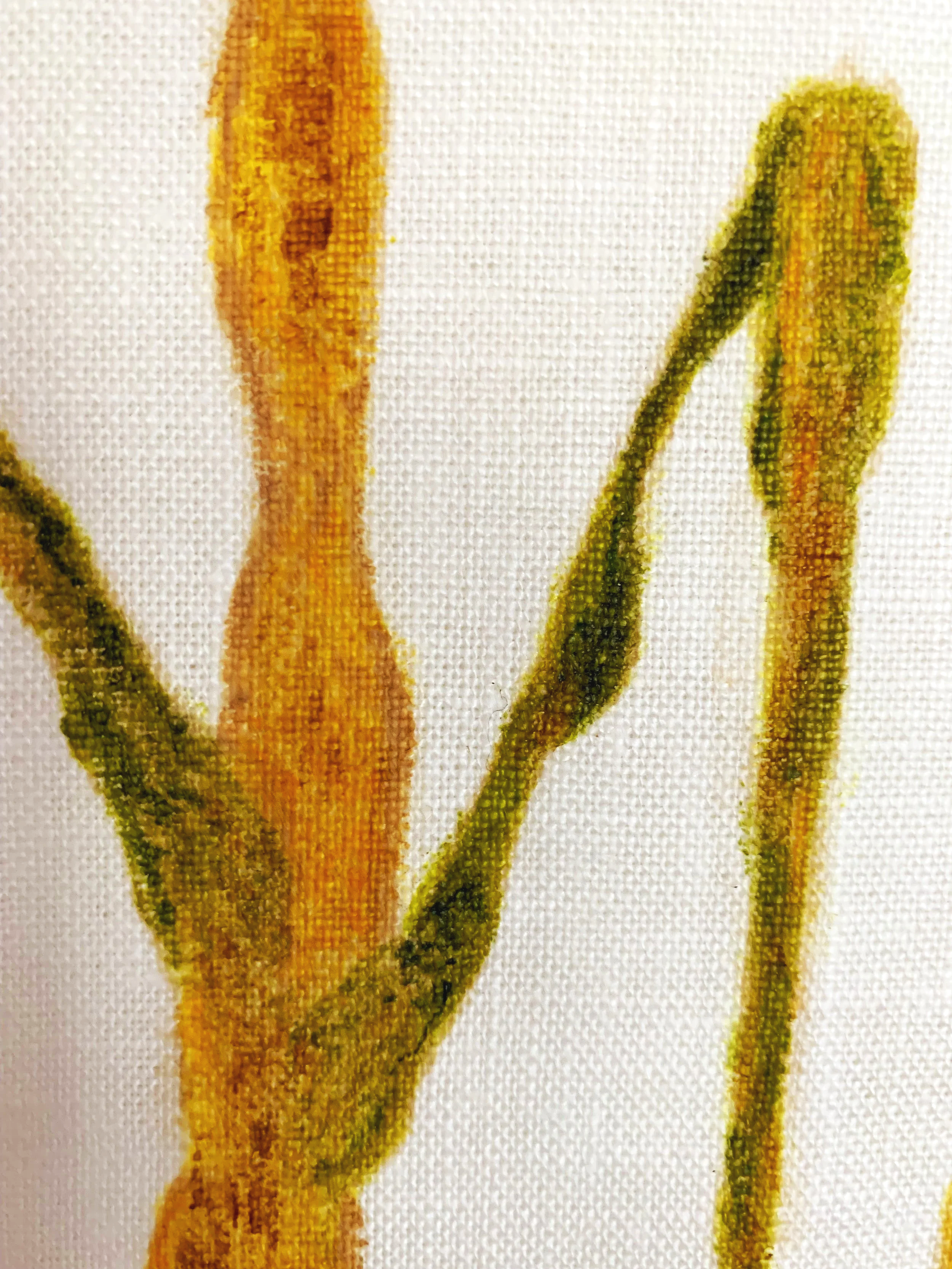
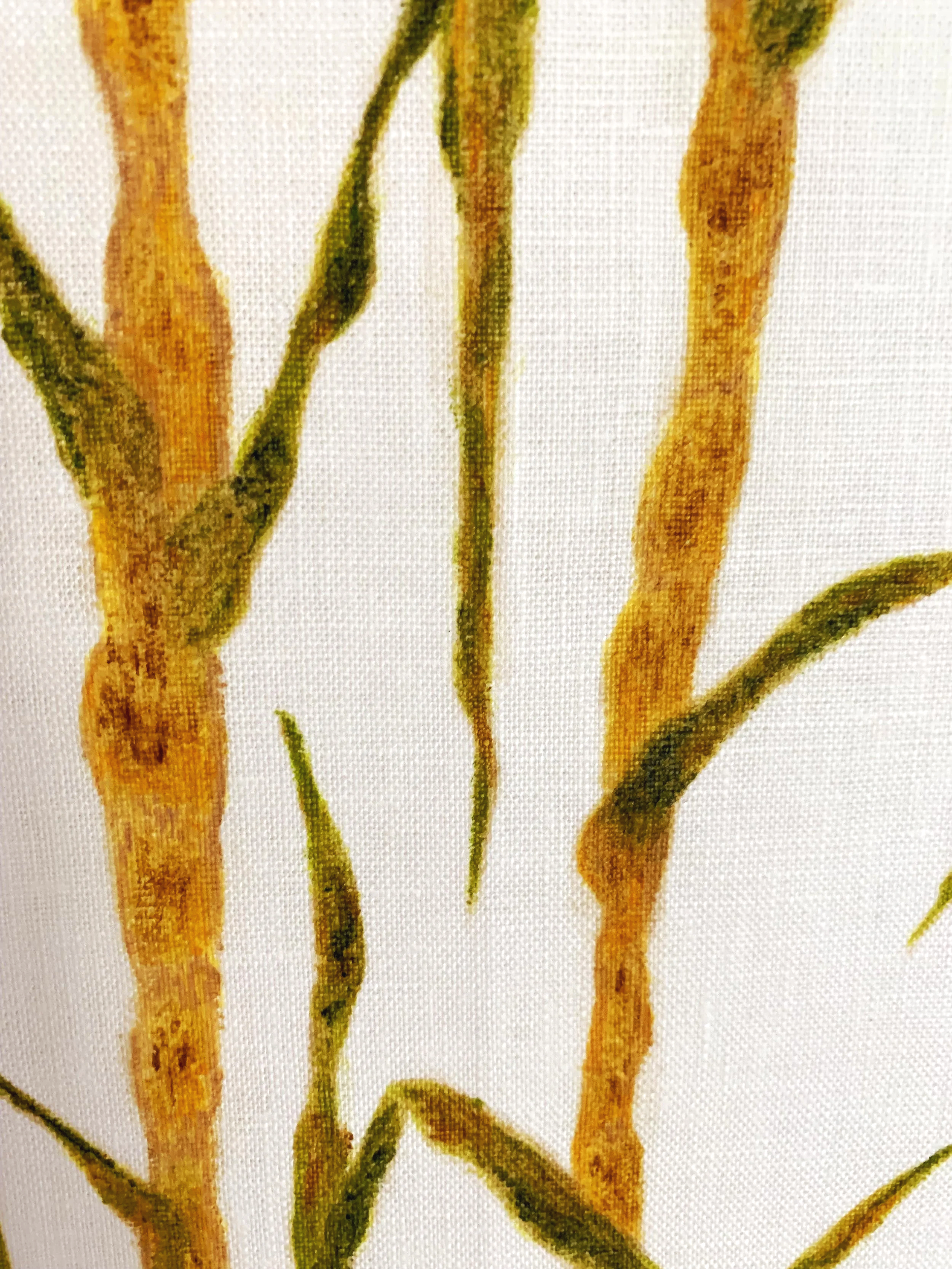
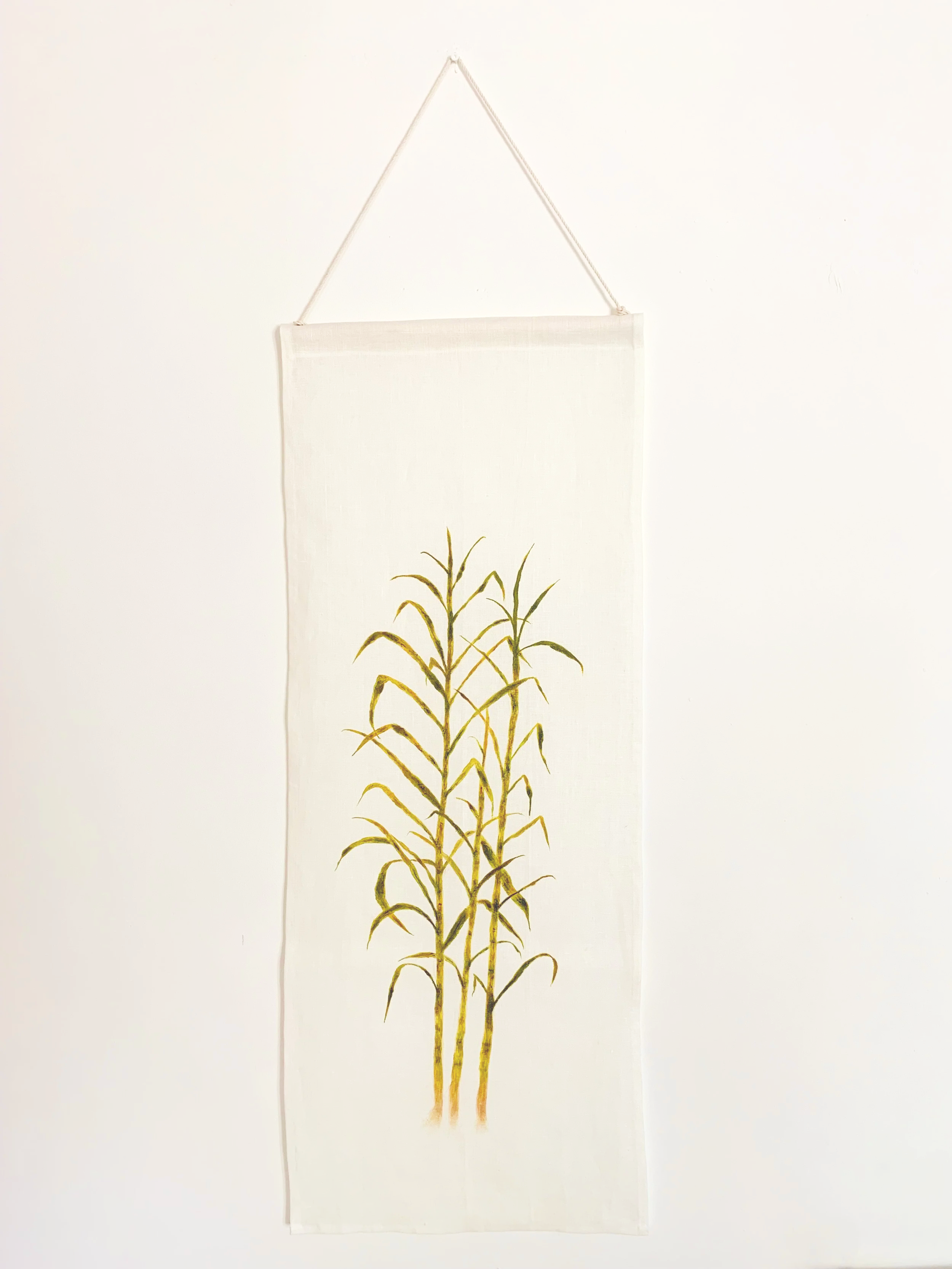
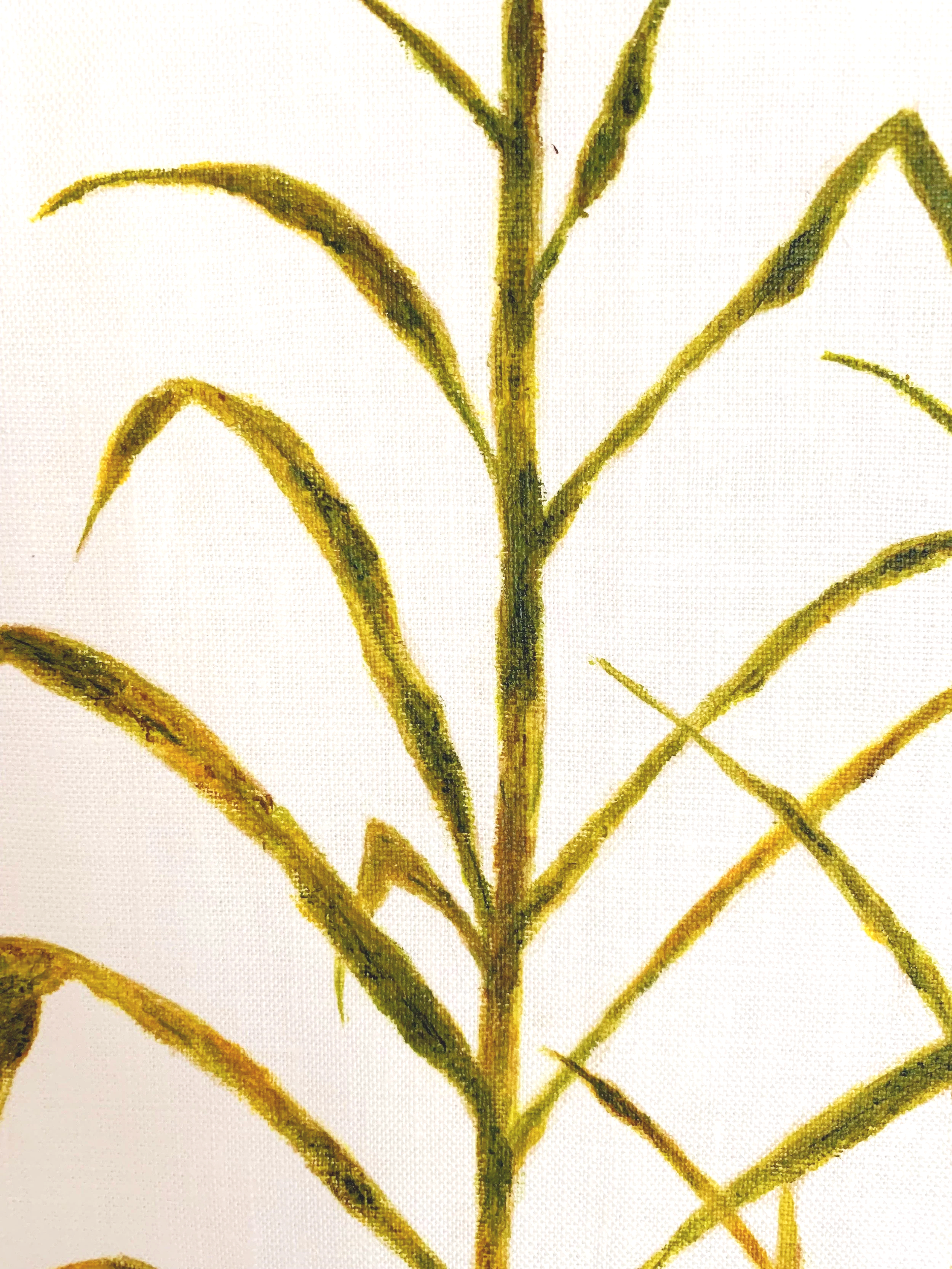
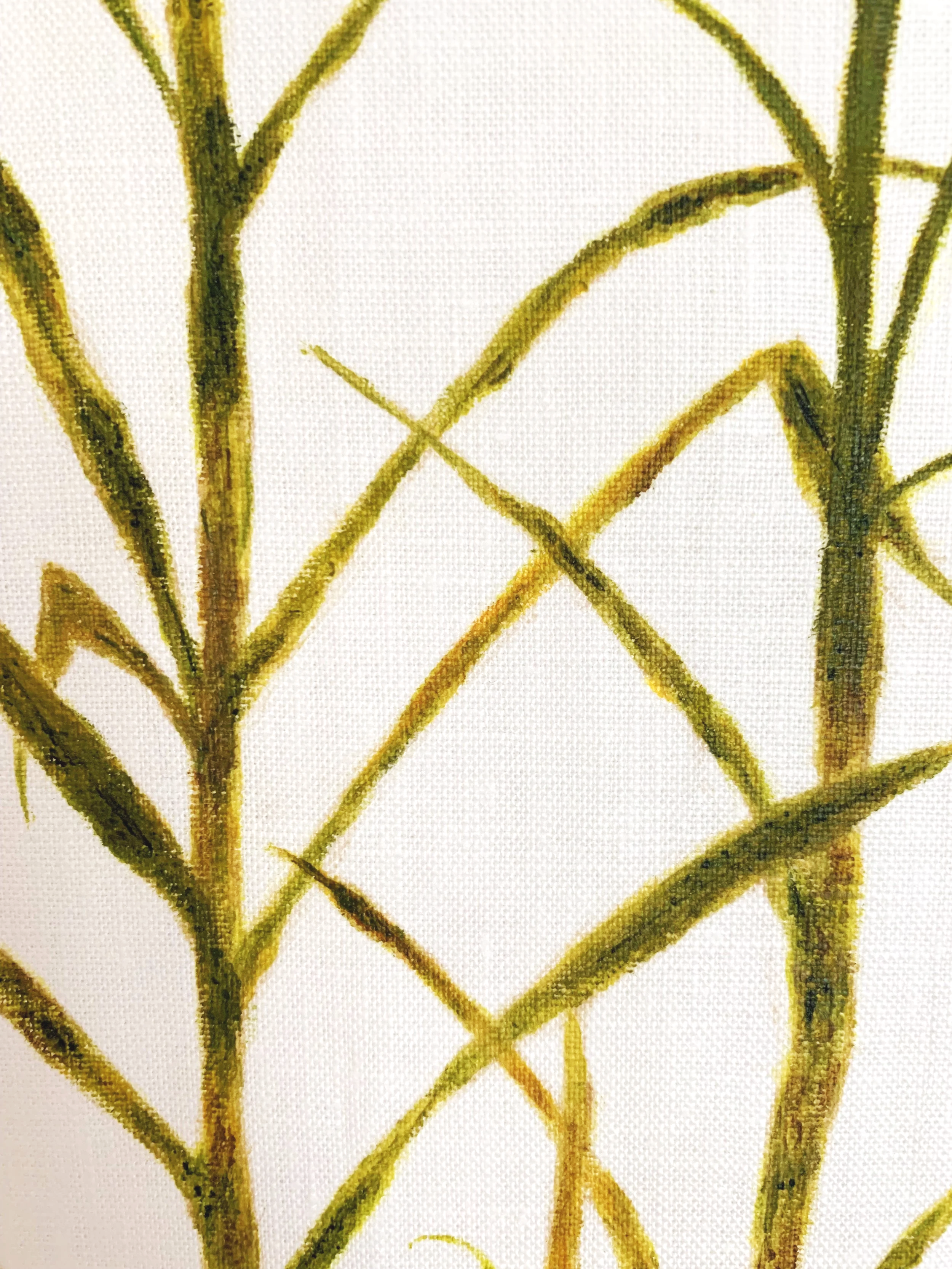
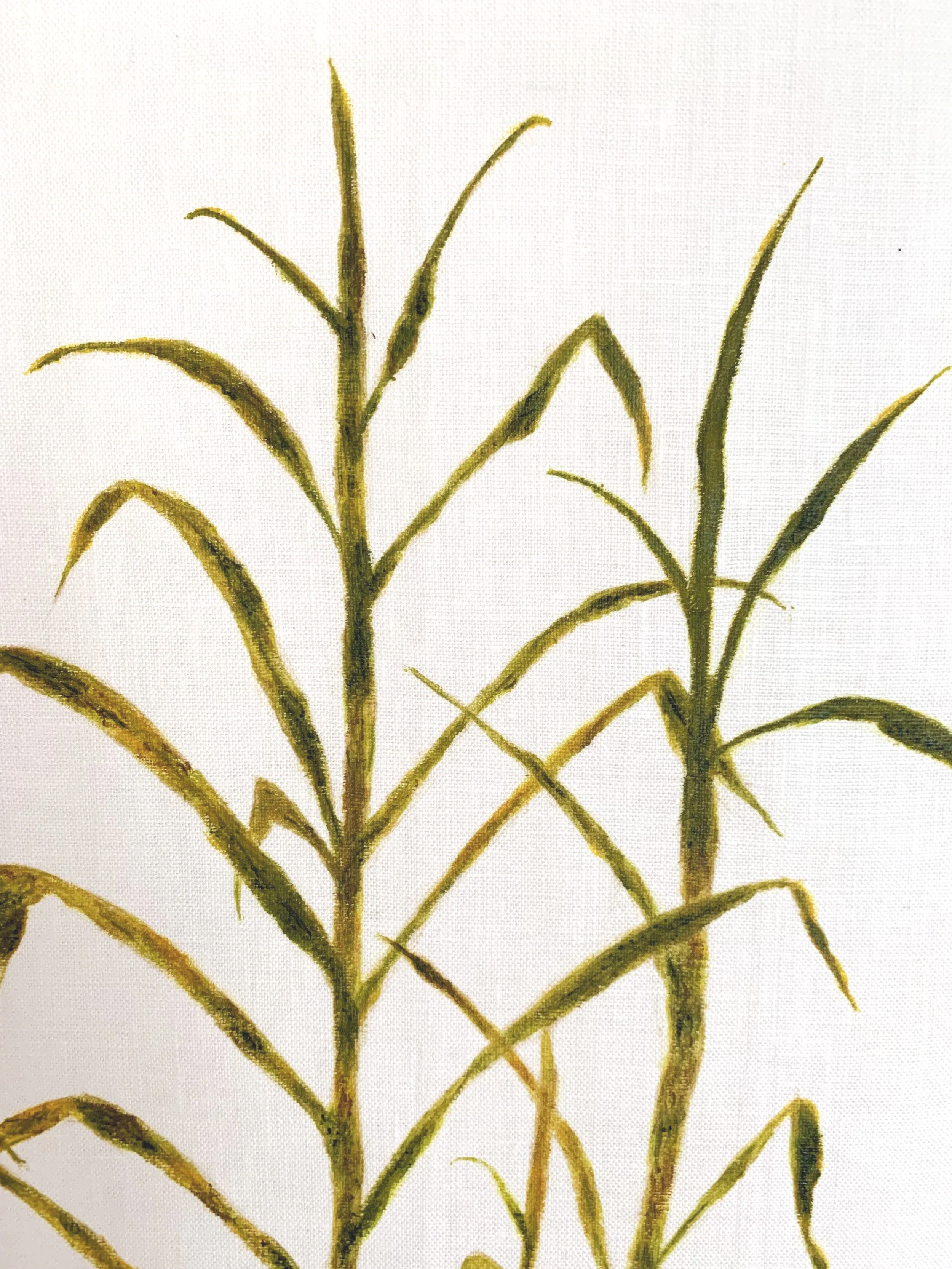
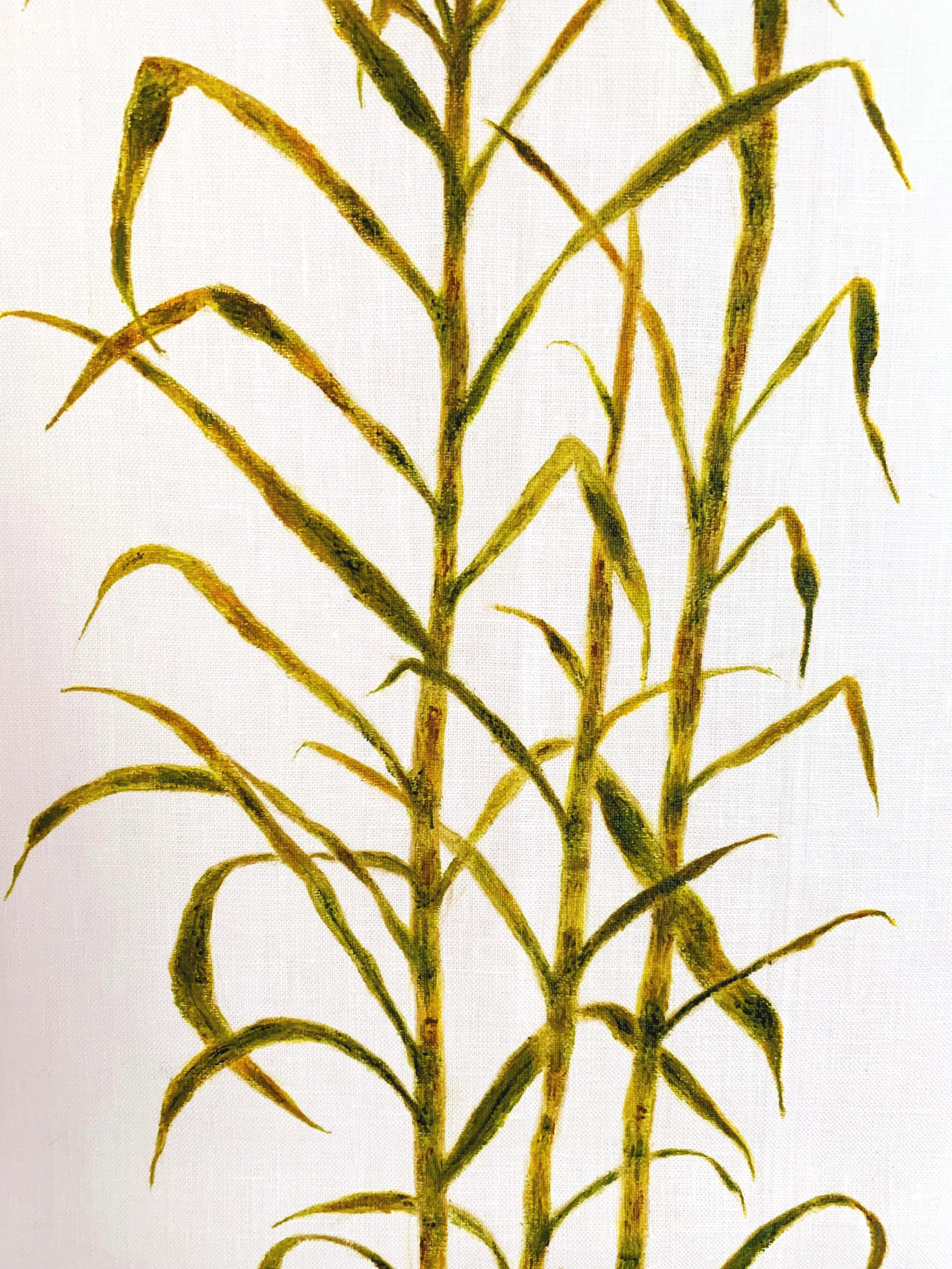
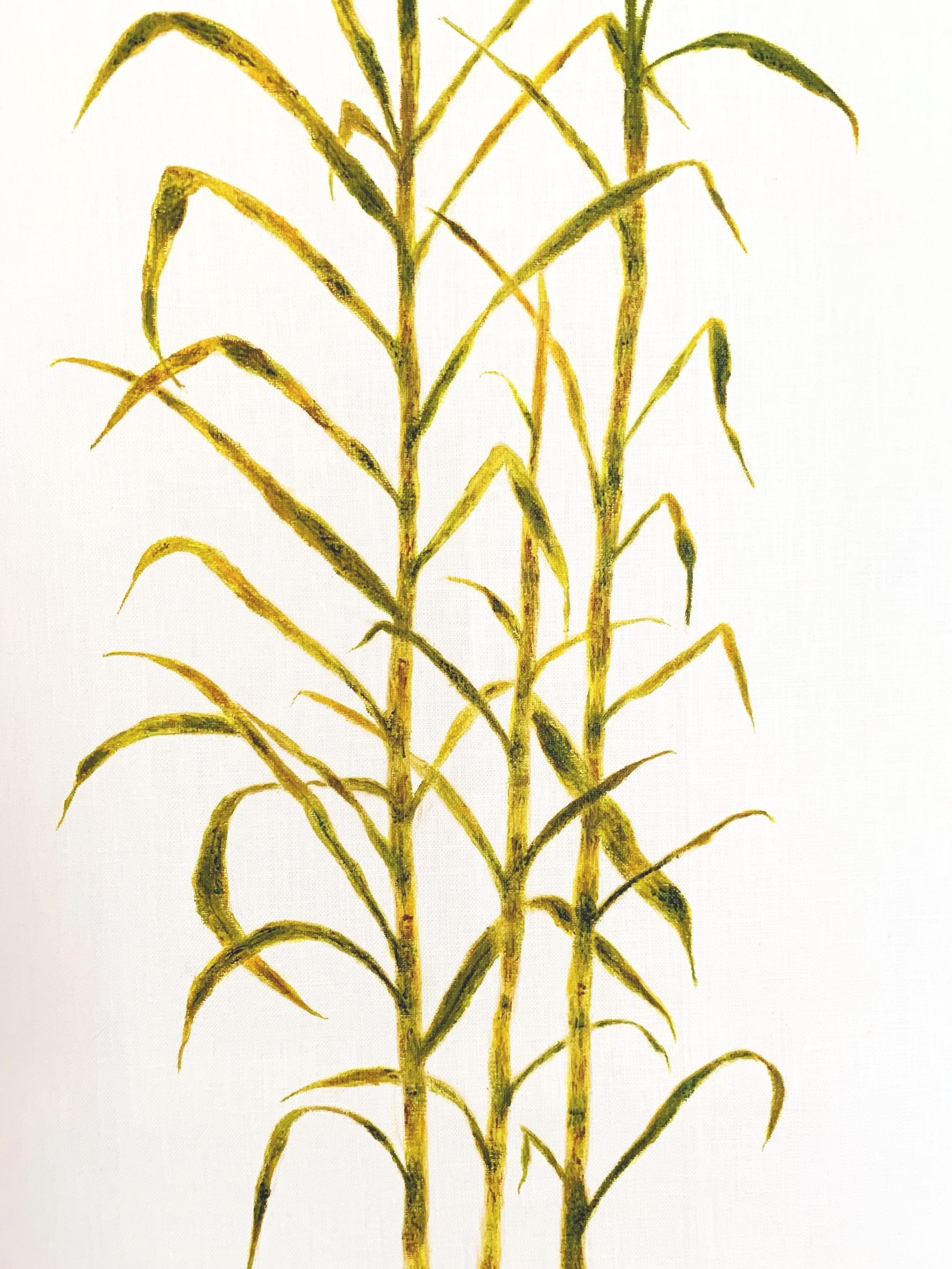
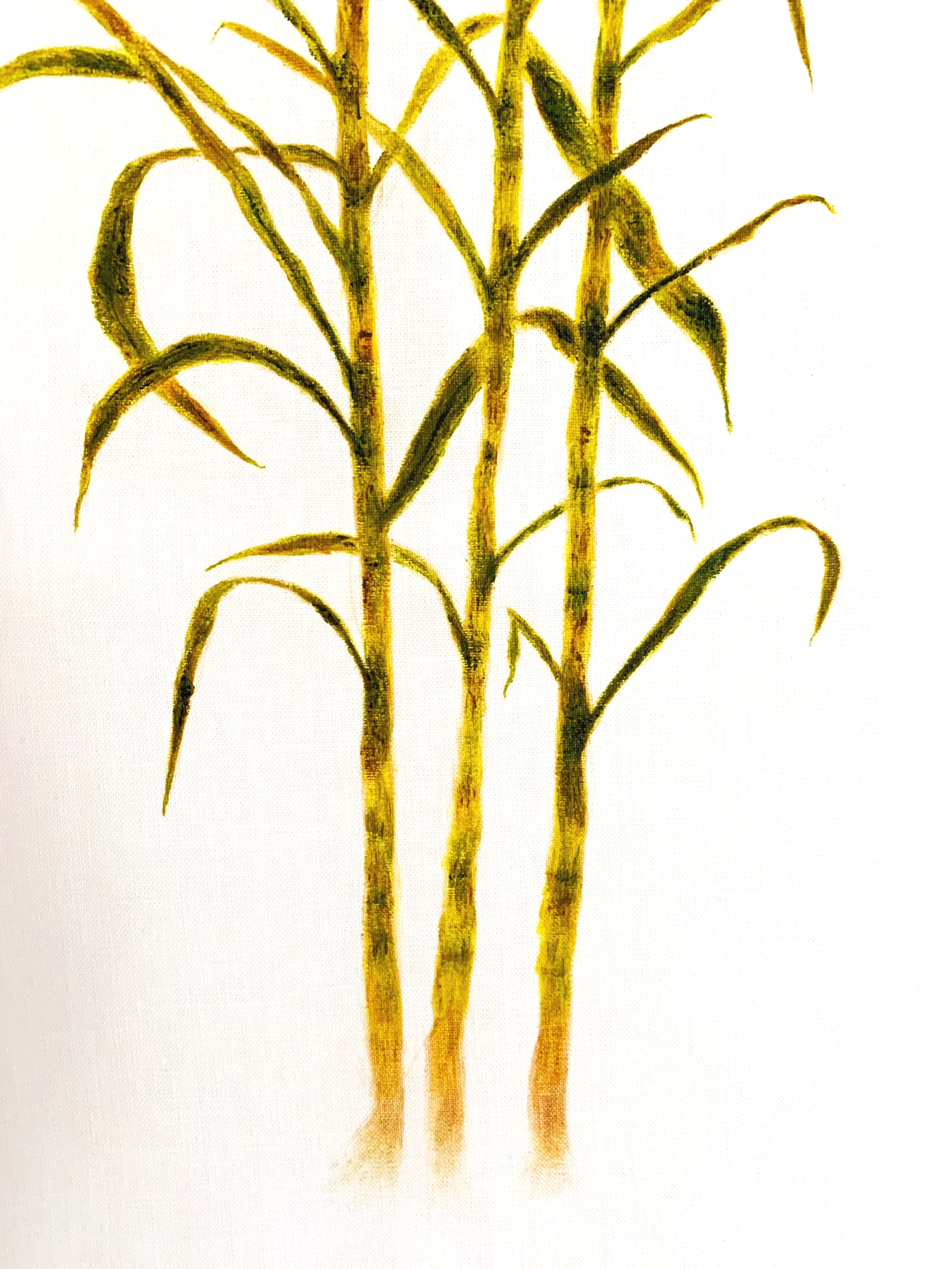
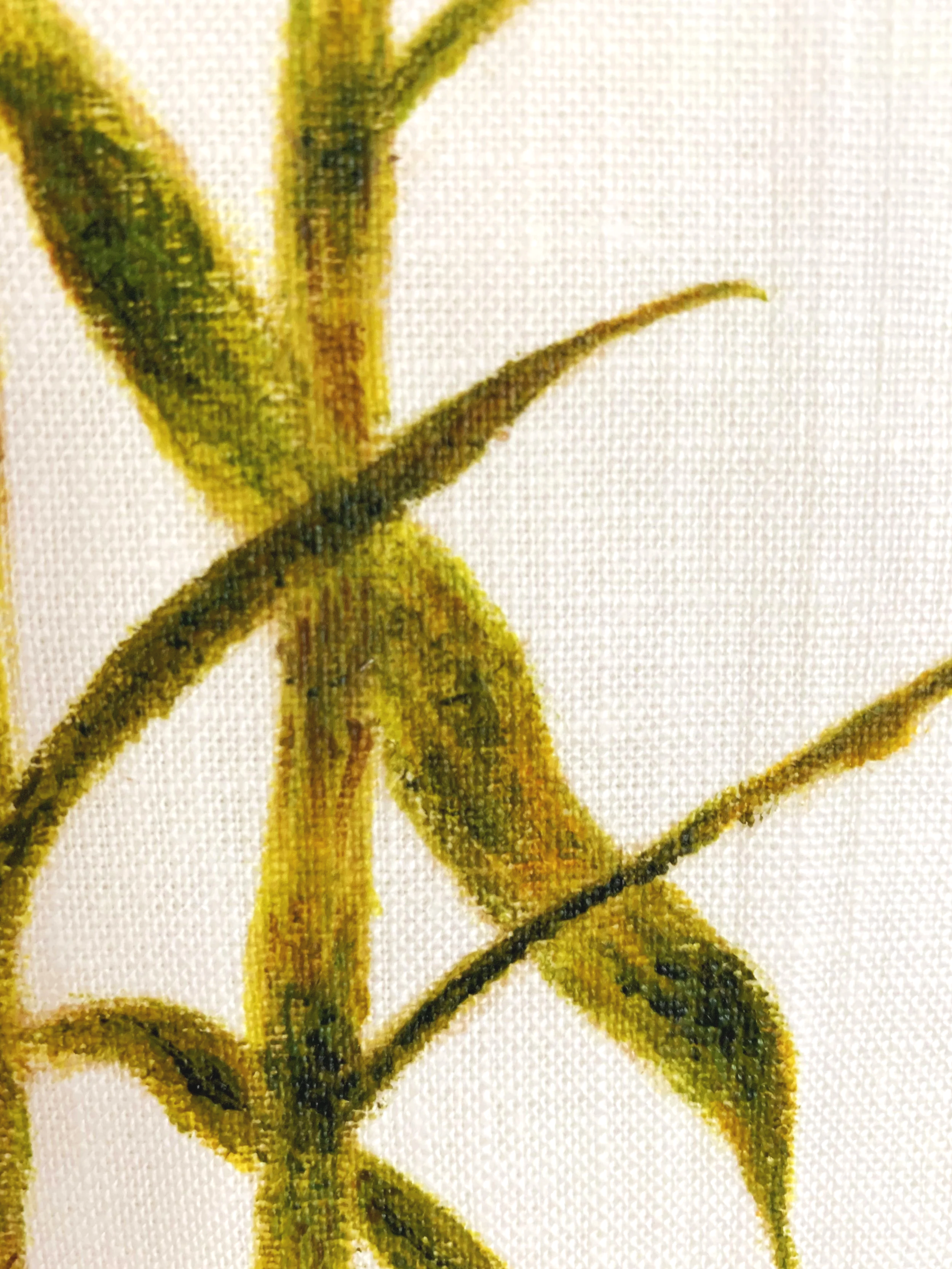
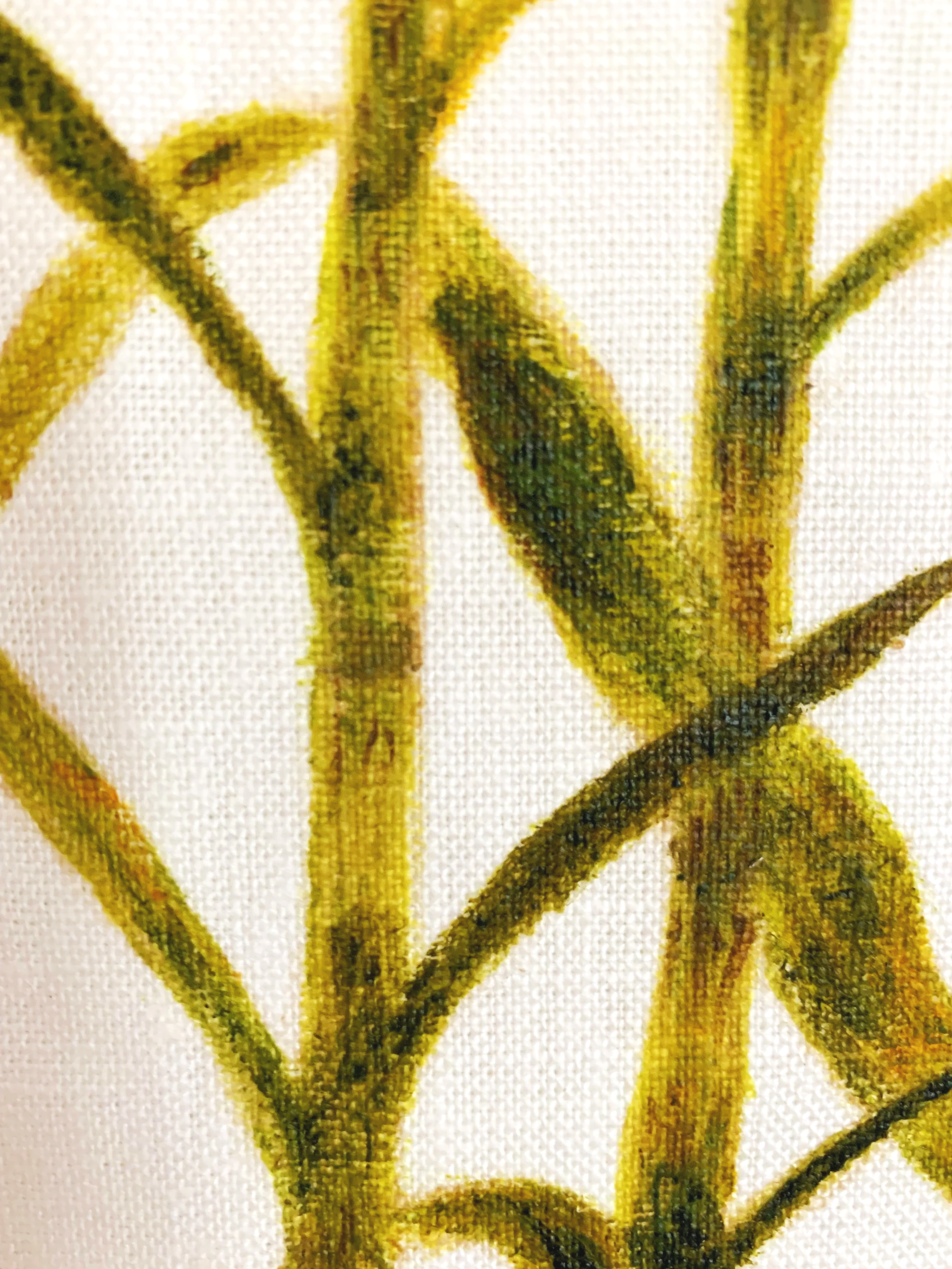
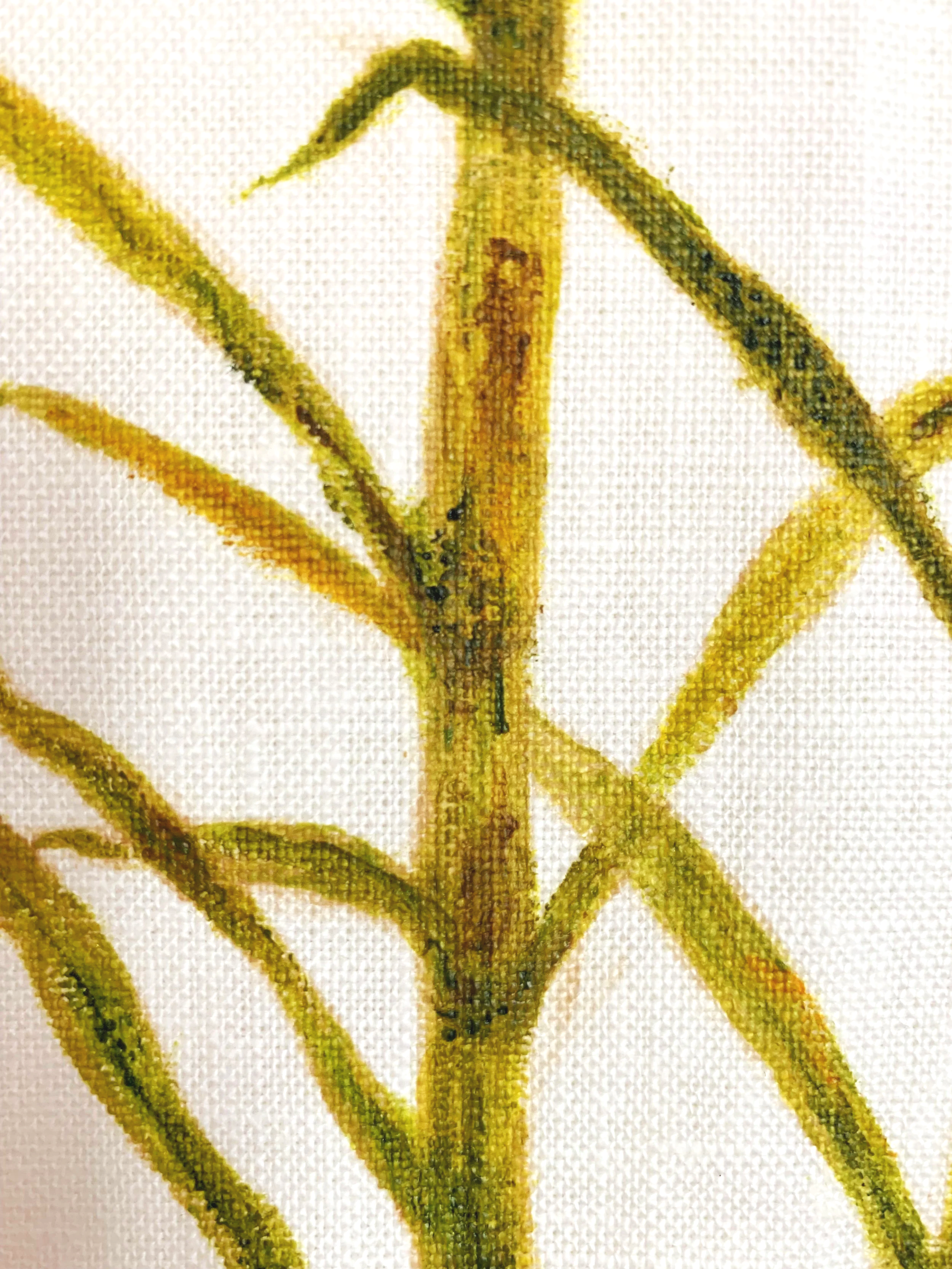
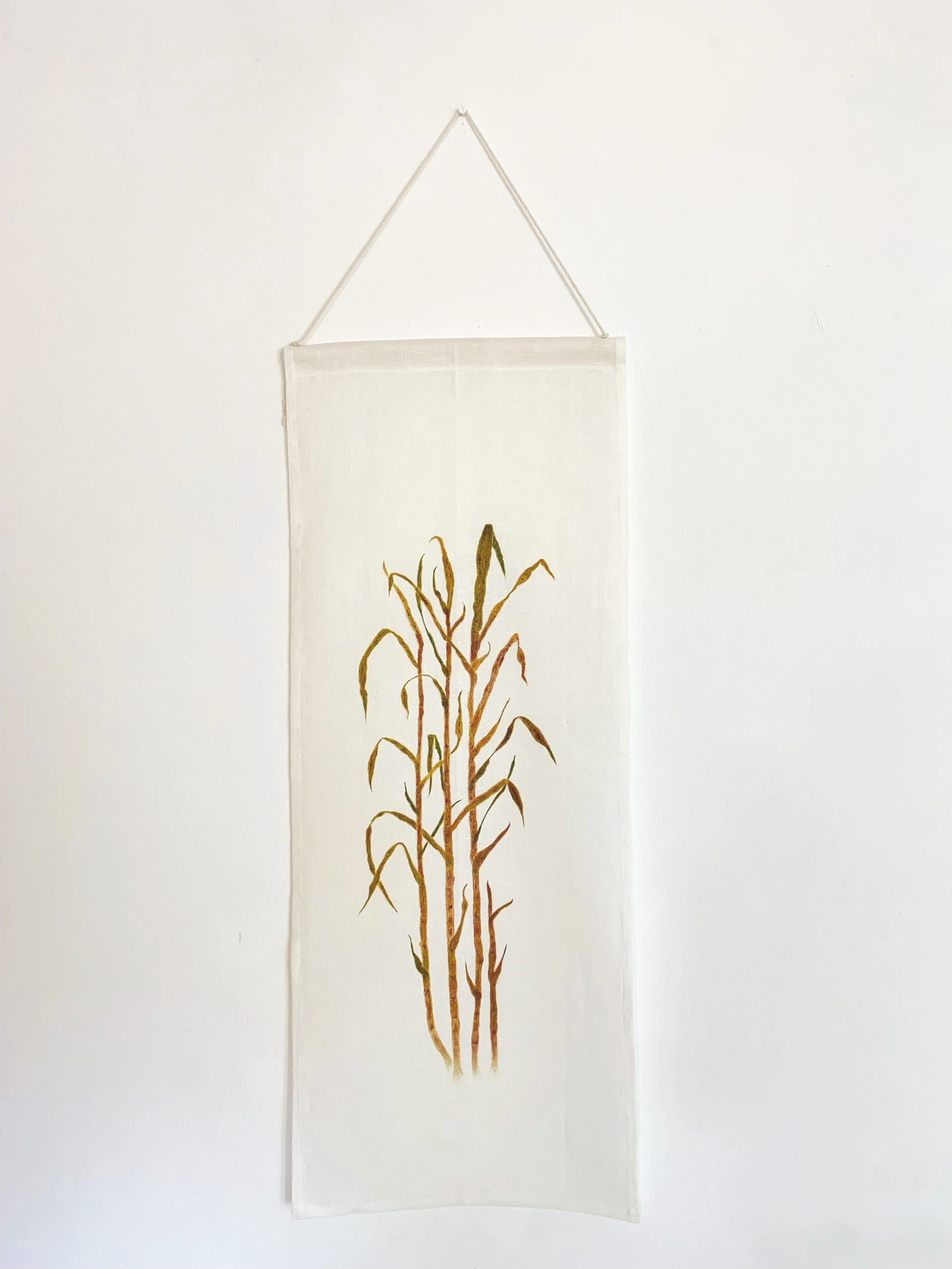
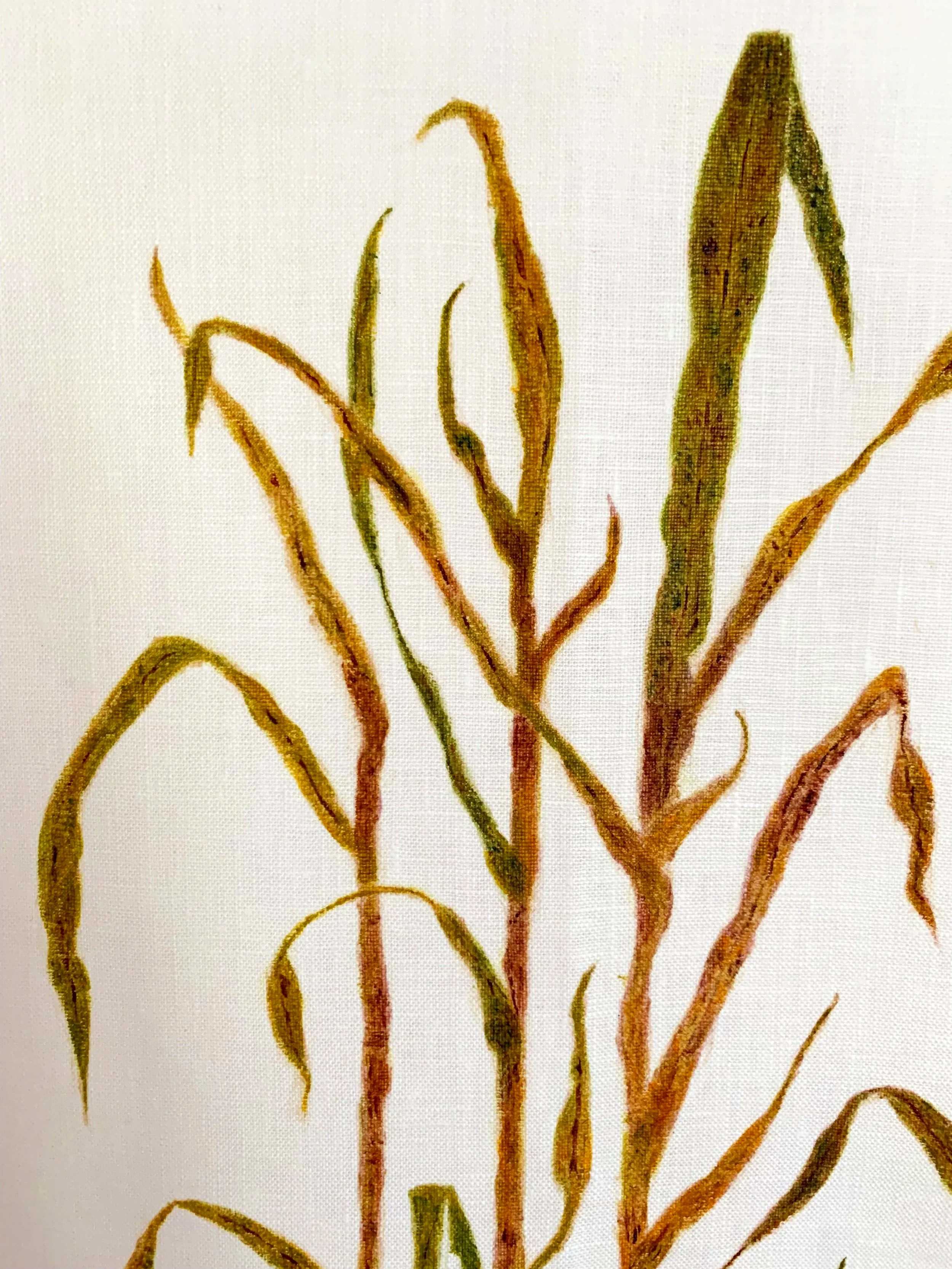
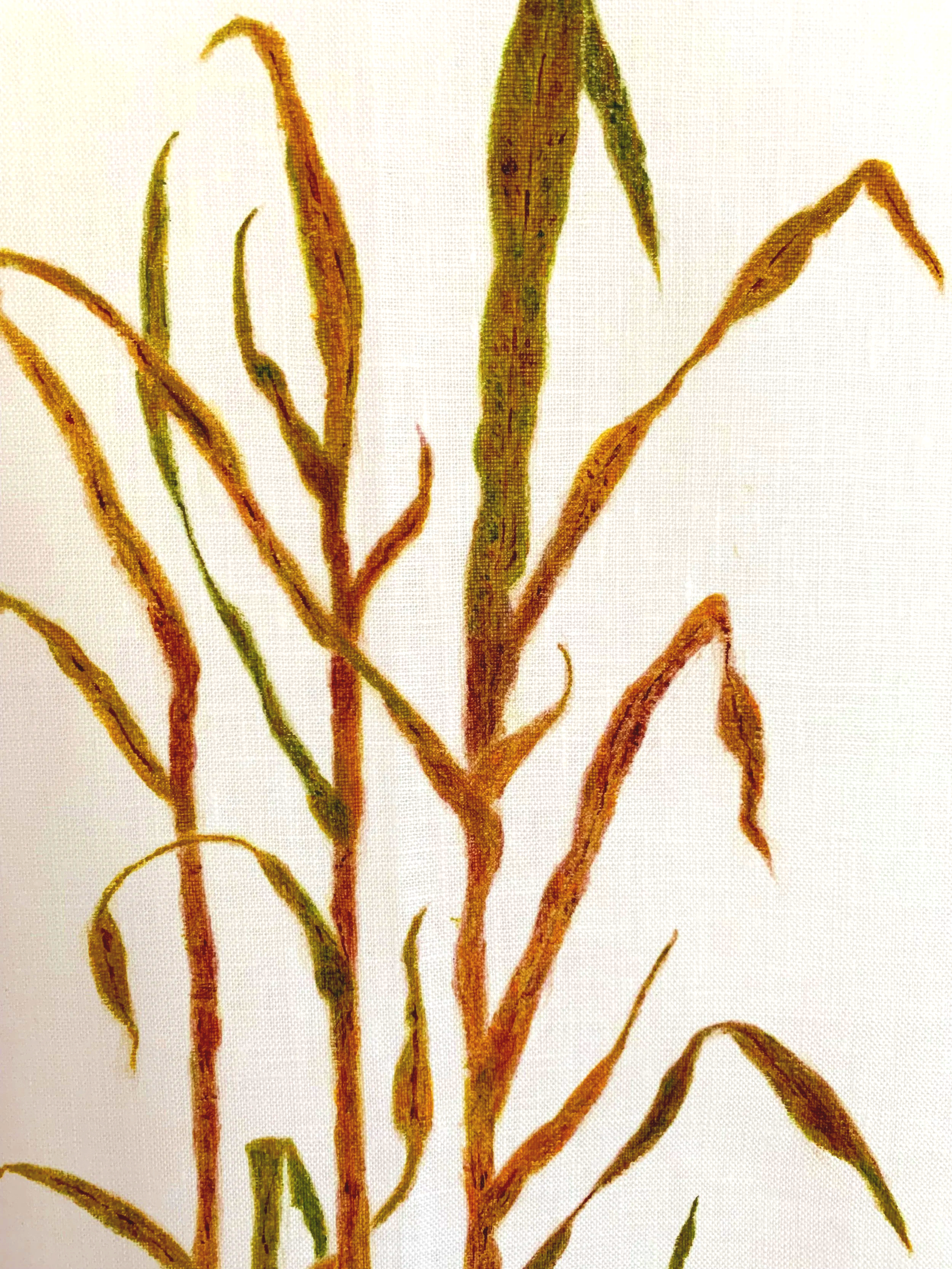
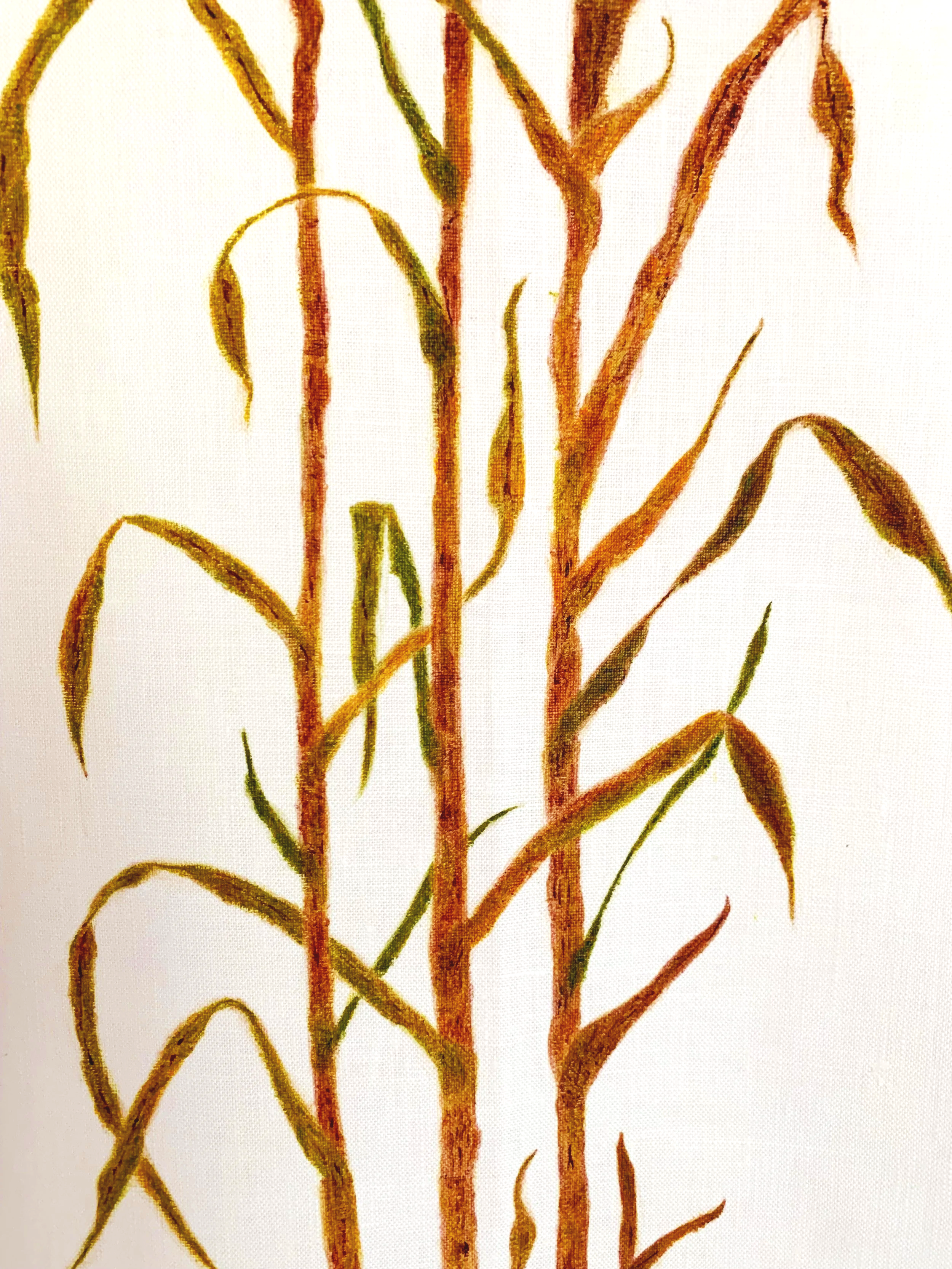
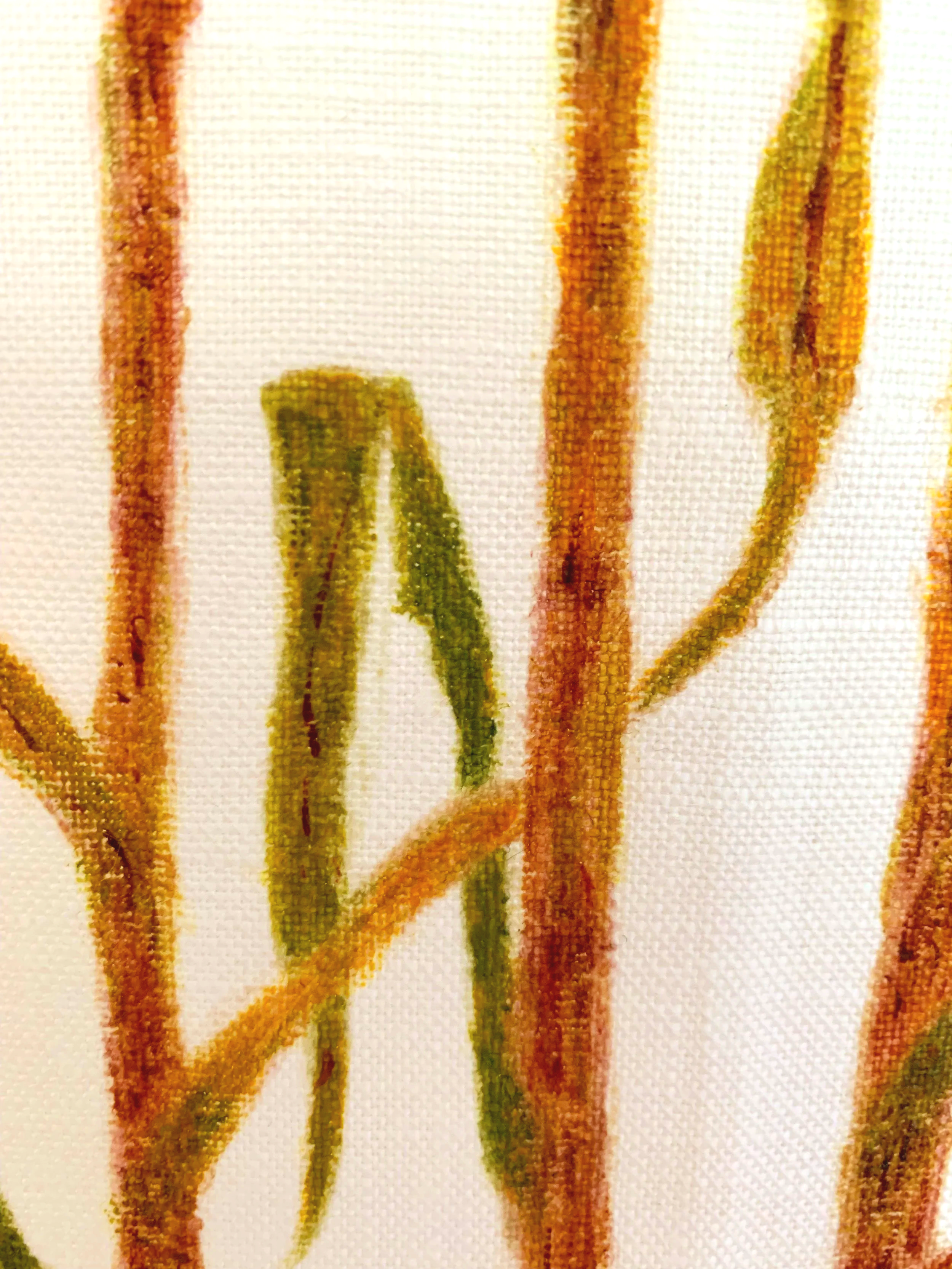
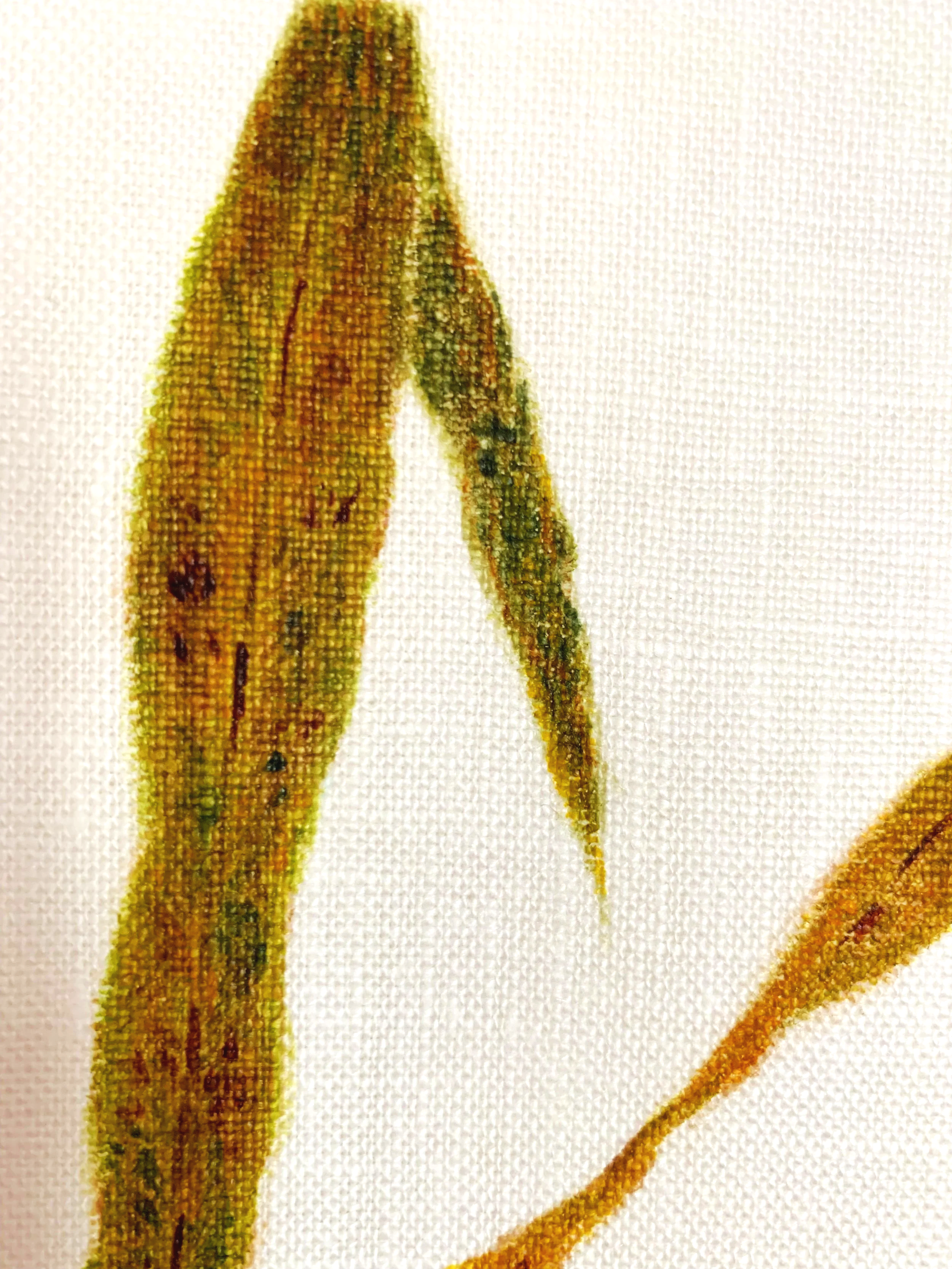
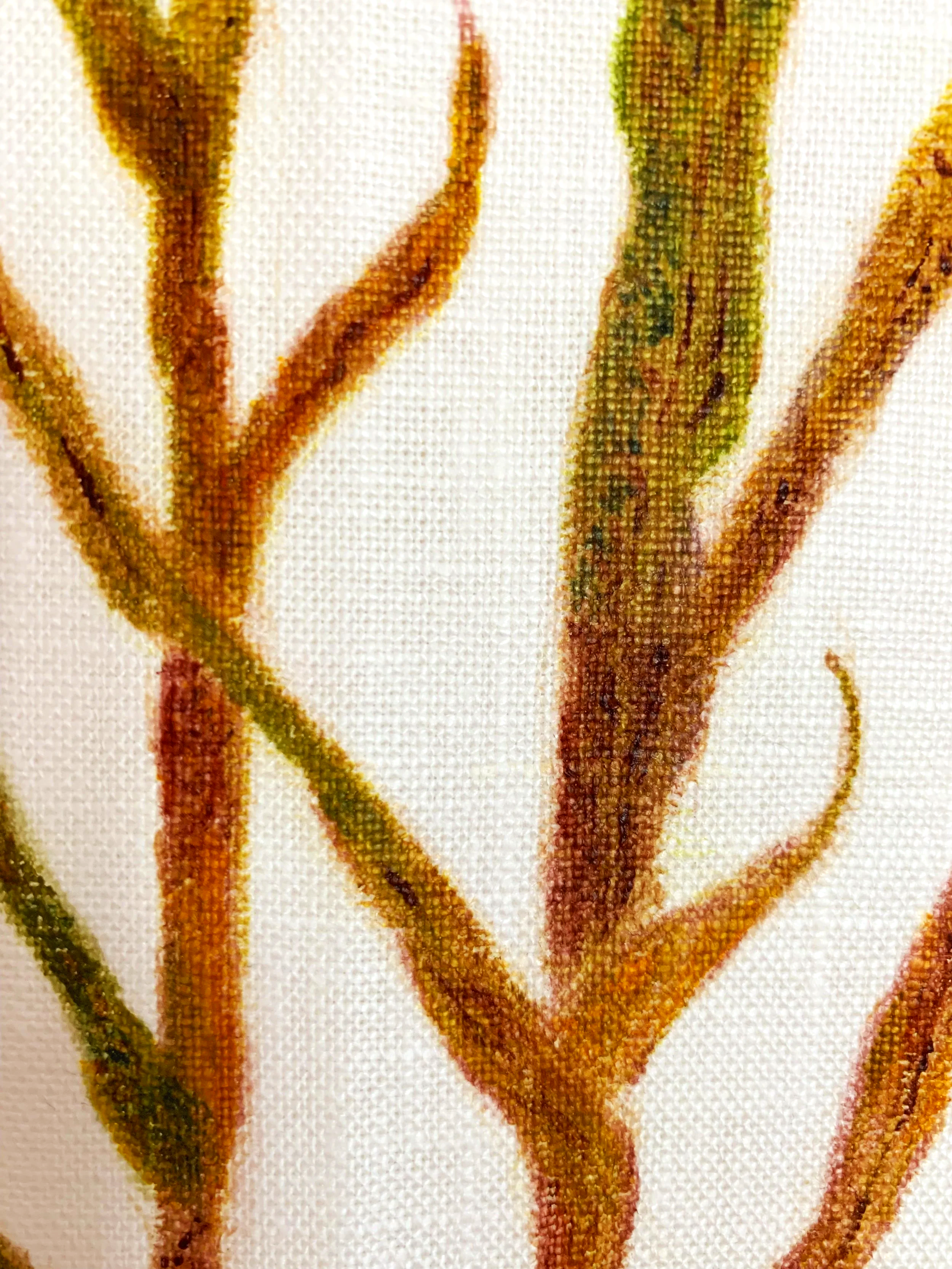
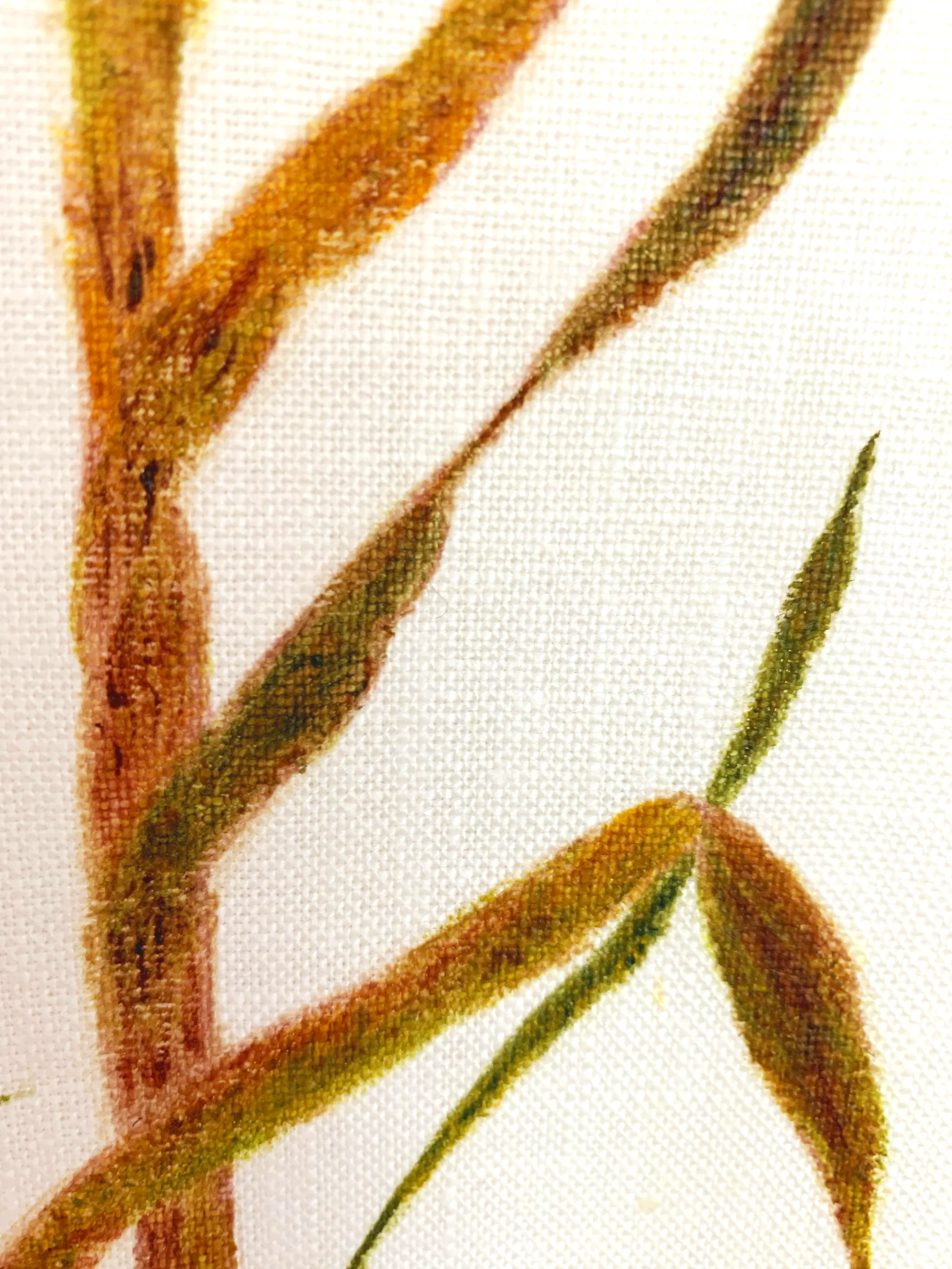
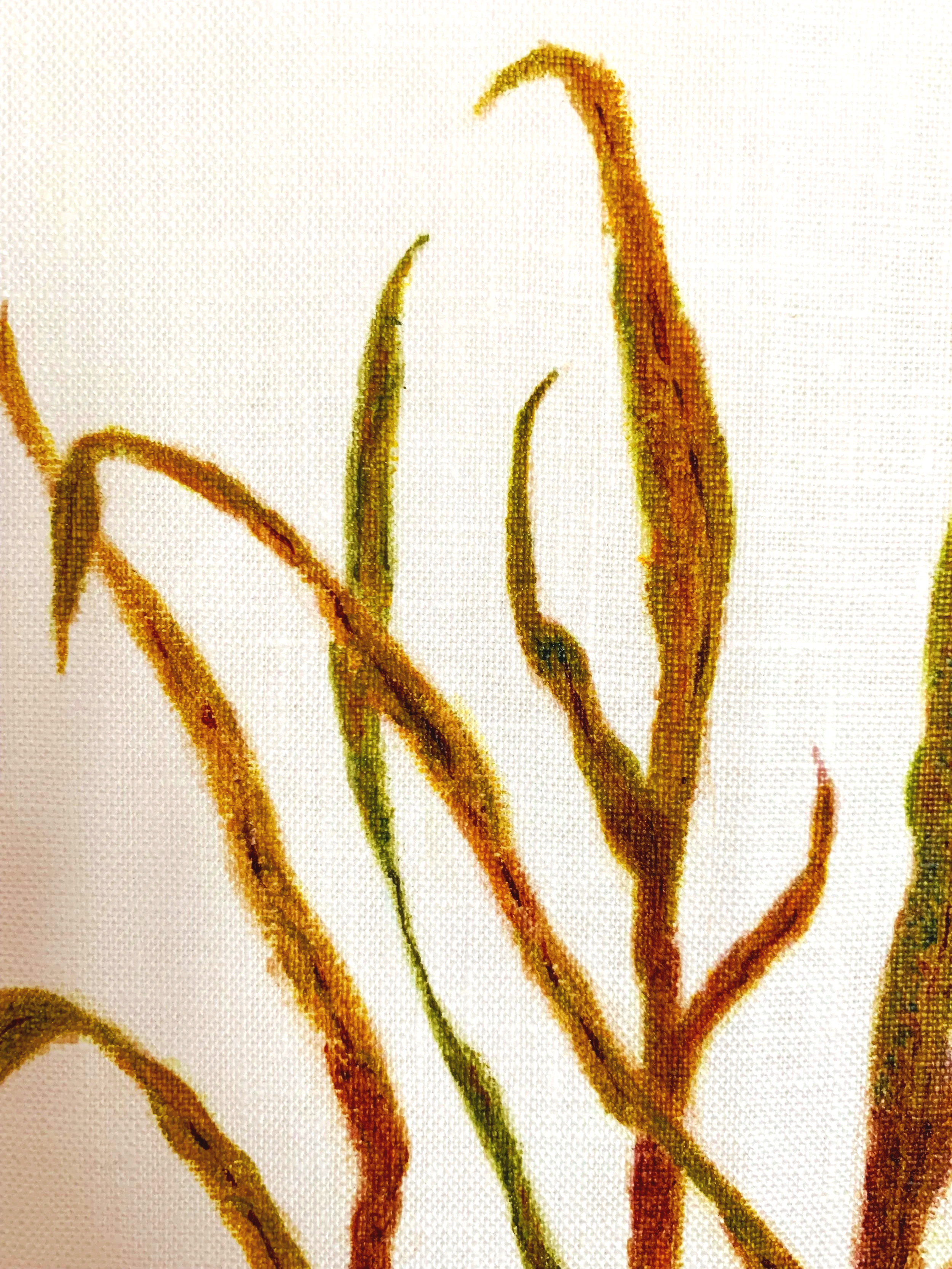
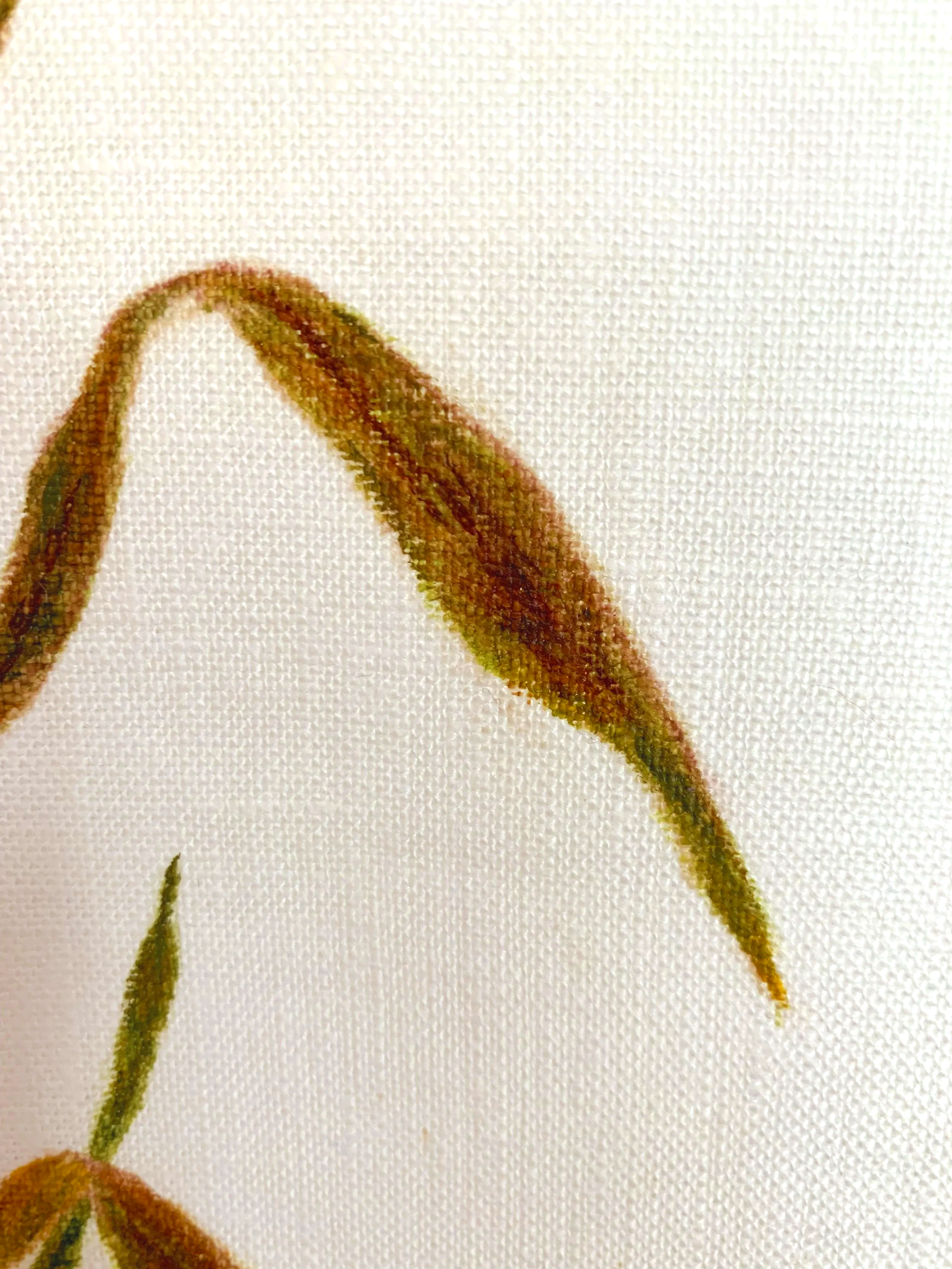
Returning repeatedly to the same plant, Hearn works through memory and sustained familiarity. Leaves and stems emerge gradually across the linen, appearing and receding over time. Each painting records a different encounter with the plant, allowing its form to develop across successive works. The image remains open to change, shaped by repeated encounters across different moments of recollection.
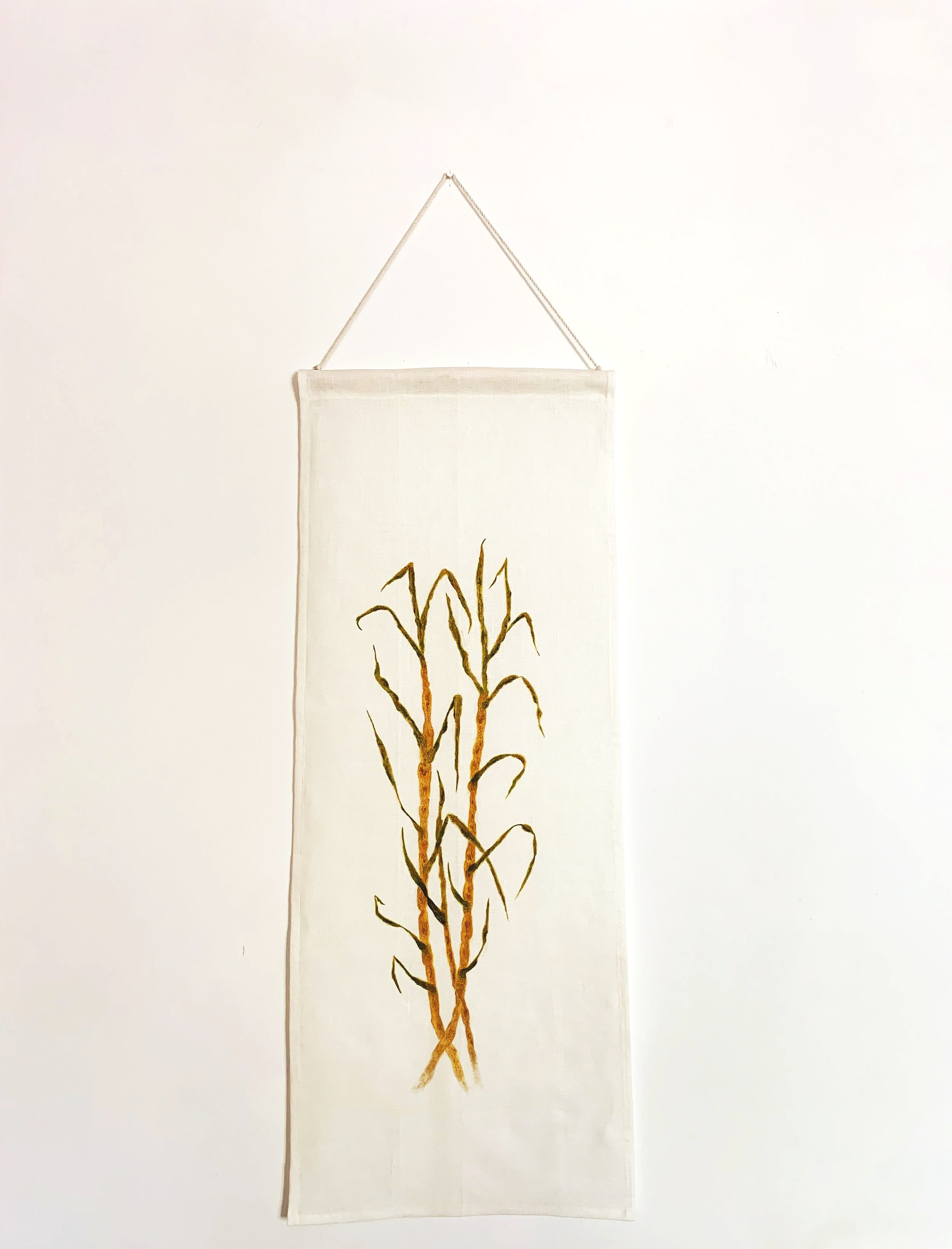
This gradual process is reflected in the making of the paintings themselves. Each scroll is painted by hand on raw linen through successive layers of translucent pigment. Layers accumulate over time, reflecting the slow processes through which cultivation itself takes place.
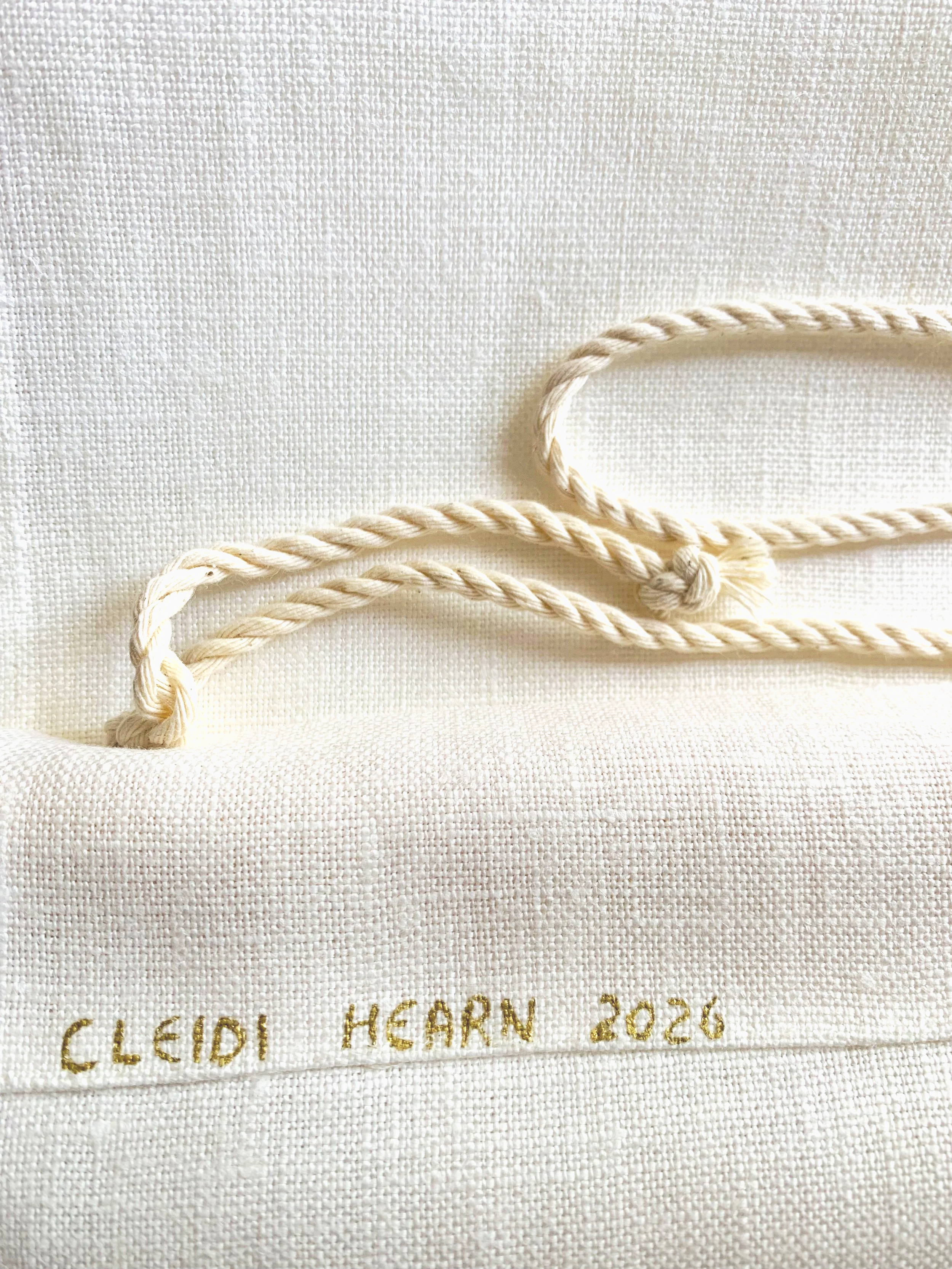
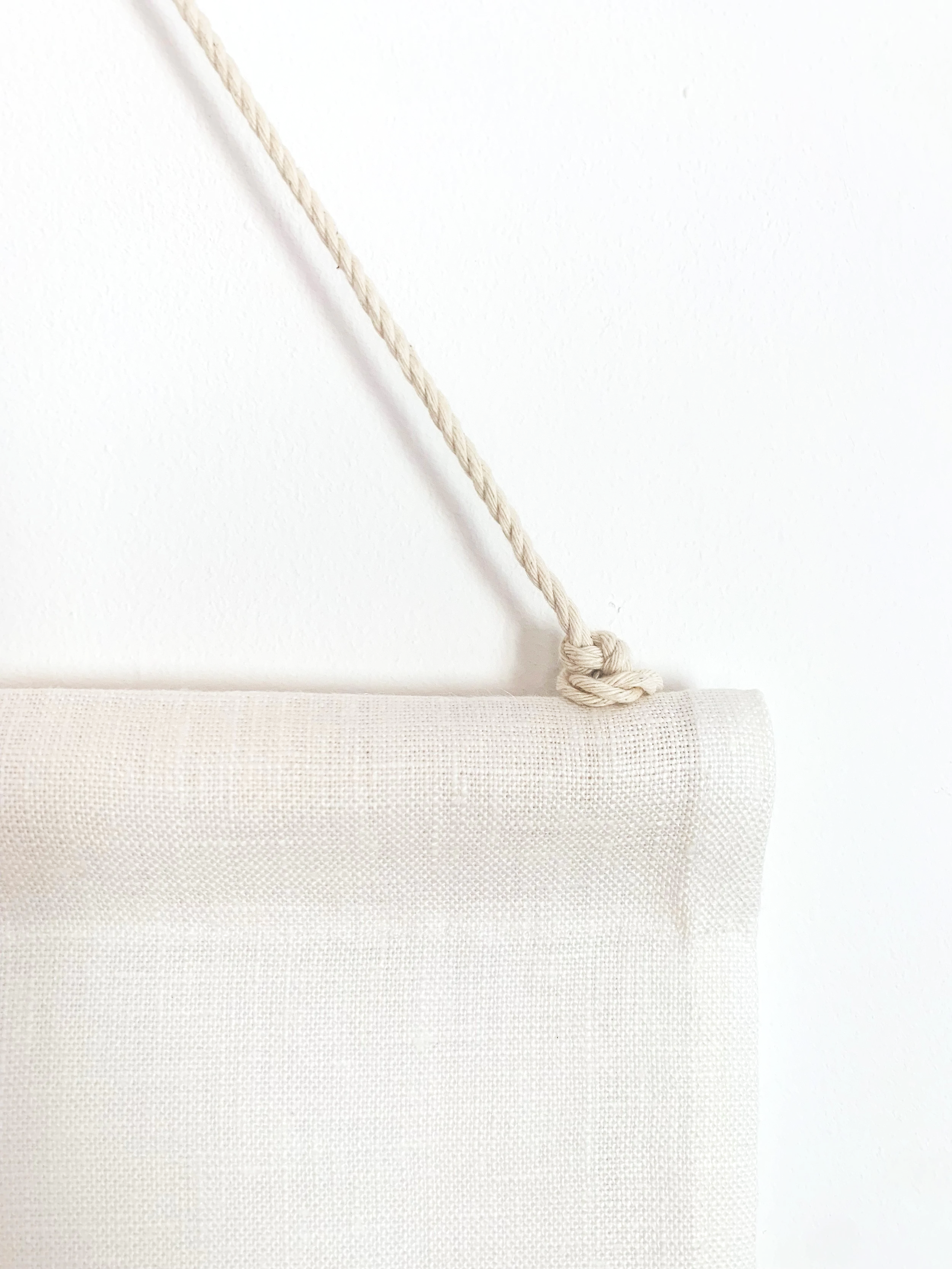
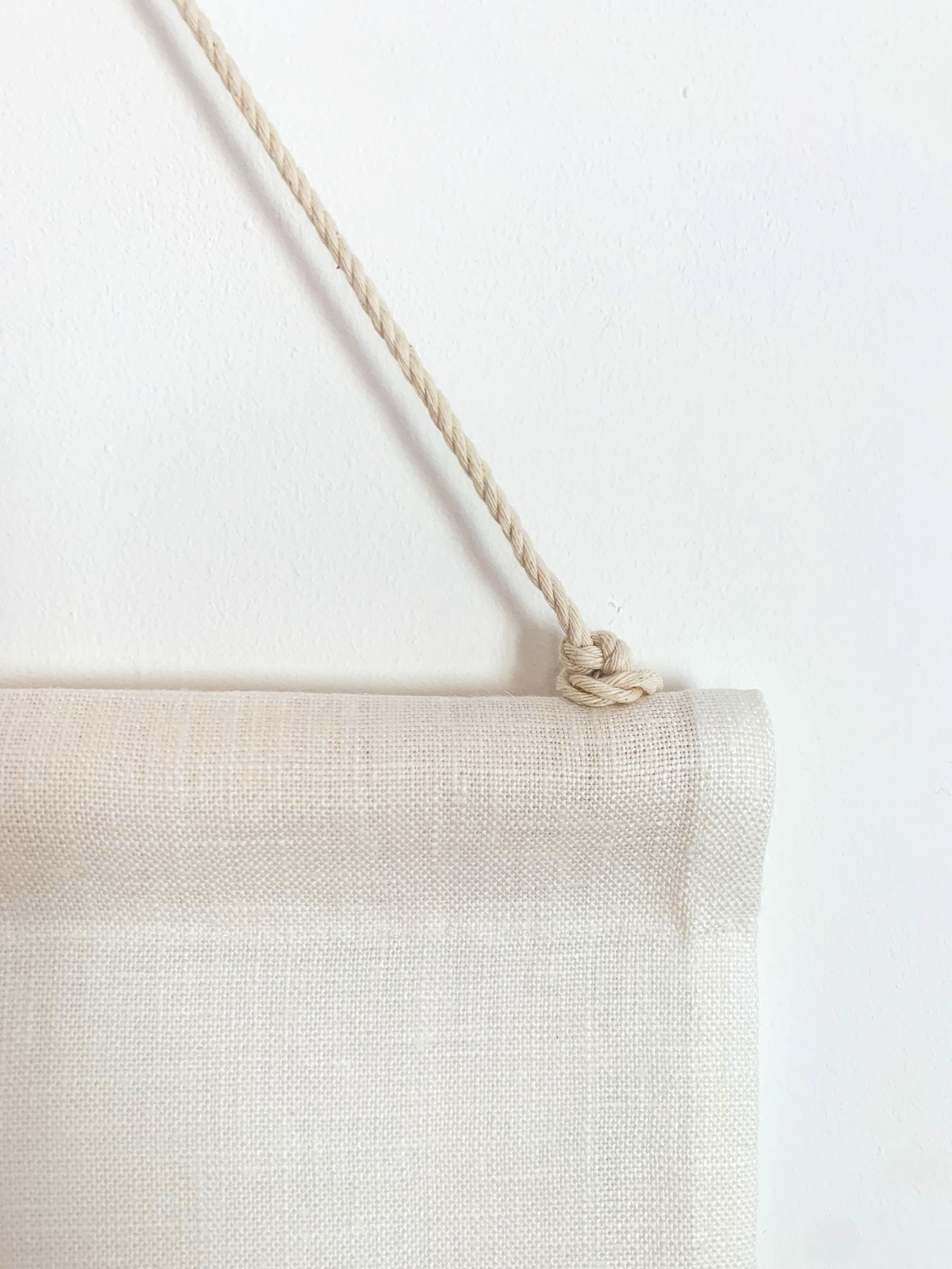
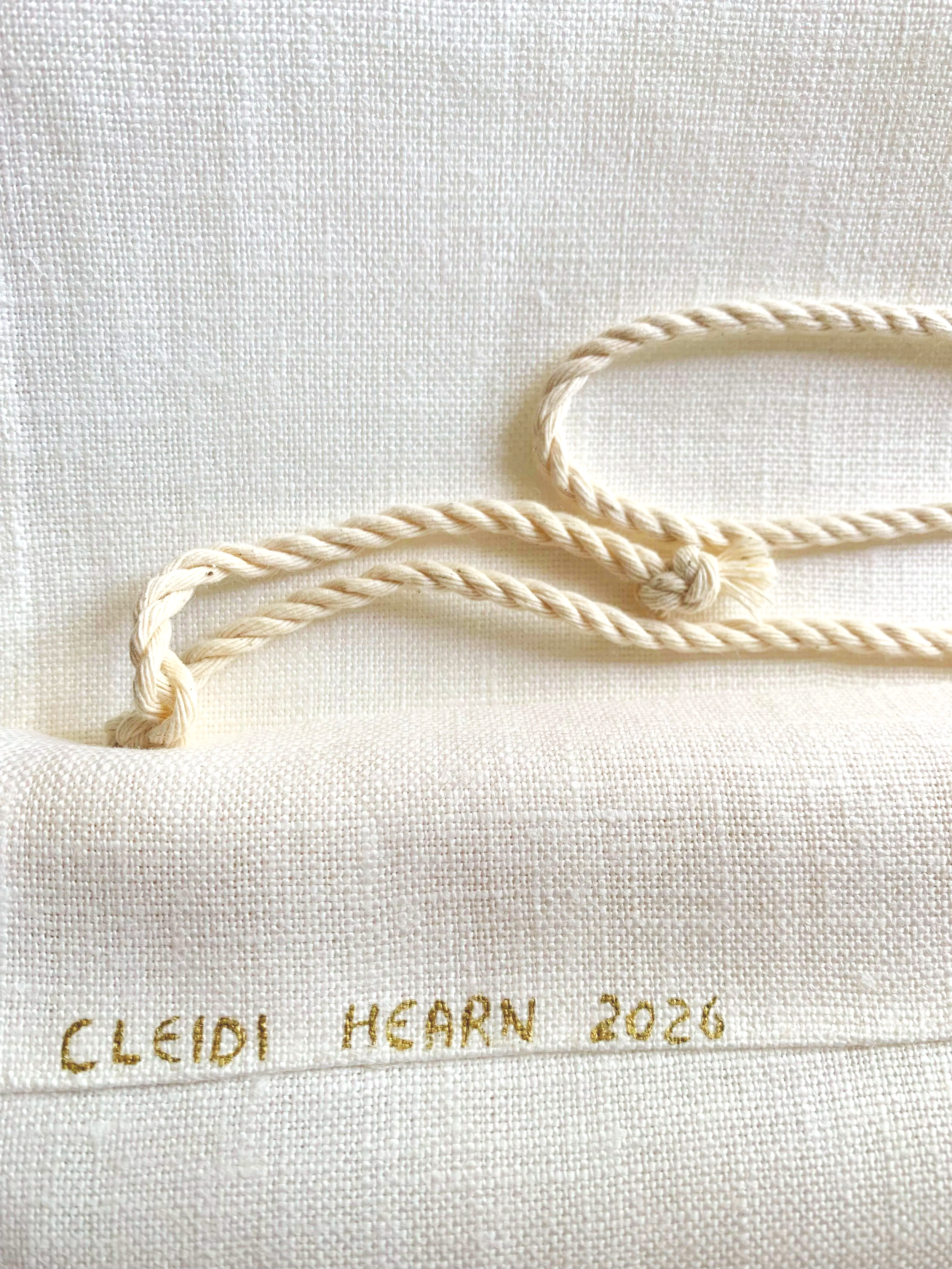
Suspended linen scrolls are central to the series. Linen introduces the history of flax cultivation into the work, bringing subject and material into the same field of cultivation. Image and support emerge from the same agricultural history.
The vertical scroll format allows the cloth to remain visible as a continuous surface. Suspended in space, the works unfold gradually, reinforcing the sense of duration and accumulation that underpins the series.
Repetition structures the series. Sugarcane returns across multiple scrolls, each work approaching the same plant through a different encounter. This sustained return echoes the rhythms of cultivation itself: planting, tending, harvesting, and return.
History enters the work through the plant itself. Sugarcane is approached as a living form shaped through long processes of cultivation, carrying within it the material consequences of human intervention across generations. The paintings remain focused on the plant, allowing those histories to be encountered through its continued presence.
Cultivation Studies forms part of Botanica Brasilis, an ongoing painting practice centred on cultivated plants and the histories they embody. Through sugarcane, the series considers cultivated plants as living forms through which histories of cultivation continue to persist across generations.